

Description
- Brand: GE
- Full Model Number: PM33211BP-5-1-3-F
- System / Series Family: GE Series Six PLC
- Core Function: Programmable controller module for GE Series Six industrial control systems
- Top 3 Hardcore Specs: Series Six architecture / Rack-based PLC system / Revision-specific hardware
- Module Type: PLC Processor / Control Module
- Application: Industrial machine and process control
- Programming: Series Six PLC programming environment
- Architecture: Modular rack-based controller
- Stock Status: New Surplus / Factory Sealed — exact physical condition to be confirmed before quotation
Module 3: Technical Product Introduction
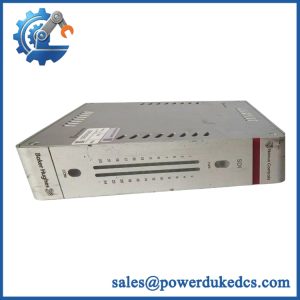
A failed controller in a GE Series Six installation can stop an entire machine sequence because the processor is responsible for executing the stored control logic and coordinating the rack I/O. The GE PM33211BP-5-1-3-F is associated with the GE Series Six PLC family and should be treated as a revision-specific legacy controller component. Unlike a modern Ethernet-based PLC CPU, this hardware belongs to an older rack-oriented control architecture, so replacement work depends heavily on the existing rack, I/O configuration, programming hardware, and installed firmware.
The practical advantage of retaining an exact PM33211BP-5-1-3-F replacement is reduced migration scope. If the existing Series Six rack and application remain serviceable, an identical processor can preserve the established control architecture rather than forcing a wholesale PLC conversion. However, detailed electrical specifications for this exact ordering code are not sufficiently established in the available technical references to safely publish values for memory capacity, scan time, I/O count, or communications interfaces. —For a legacy controller, verified documentation beats an attractive but incorrect specification sheet.
Module 4: Application Scenarios & Field Realities
- On older production machines, a Series Six processor may still coordinate discrete sequencing, interlocks, timers, counters, and machine-state logic. Keeping an exact processor spare can be preferable when the surrounding I/O rack and field wiring remain in service.
- During emergency maintenance, technicians should document the processor position, rack configuration, memory/program storage arrangement, and programming interface before removing the failed unit. A replacement CPU without the correct application program is not a functional replacement.
- For legacy process-control equipment, the critical question is often program recovery. If the original processor is unavailable, confirm whether the customer’s latest Series Six application backup exists before starting a controller exchange.
- When planning modernization, the PM33211BP-5-1-3-F can also serve as a short-term maintenance replacement while a controlled migration to a newer PLC platform is engineered. This avoids making an unplanned PLC conversion during a production outage.
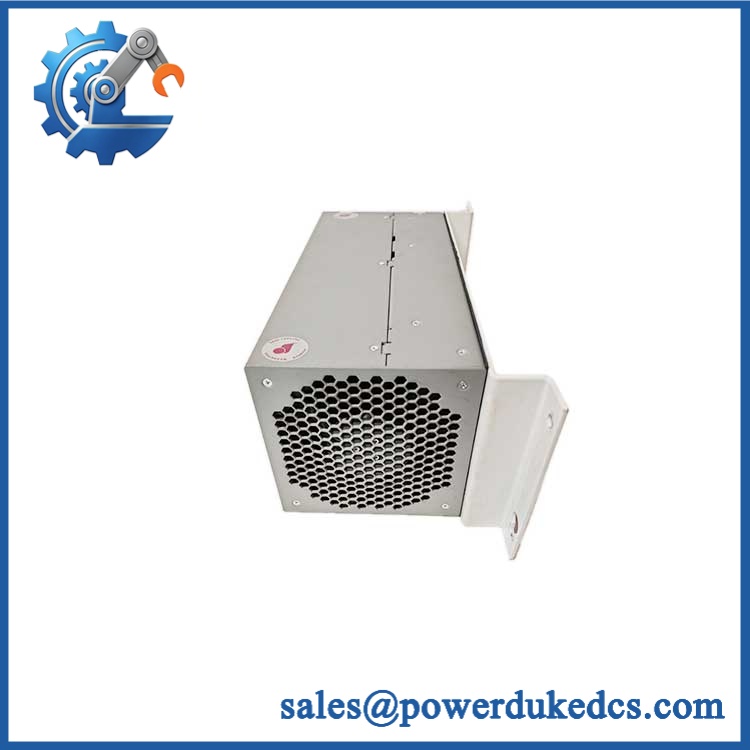
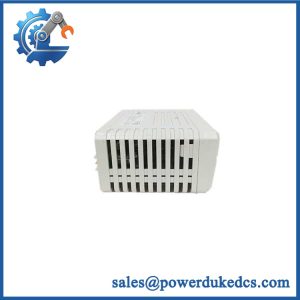
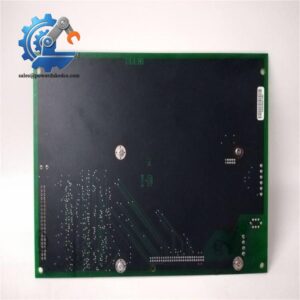
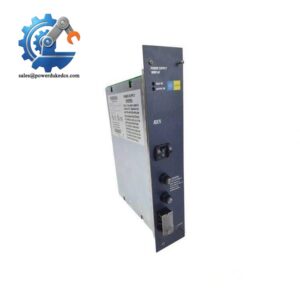
GE PM33211BP-5-1-3-F
Module 5: Migration, Compatibility & Installation Traps
Replacement Matrix
| Replacement Case | Classification | Engineering Requirement |
|---|---|---|
| PM33211BP-5-1-3-F replacing the identical PM33211BP-5-1-3-F | Drop-in Replacement | Verify complete part number, rack position, memory/program arrangement, and power configuration |
| Different PM33211 revision within the same Series Six family | Software Compatible — Verify First | Confirm firmware, memory, program compatibility, and rack configuration |
| Different Series Six processor family | Hardware Modification Required | Review rack interface, program compatibility, memory, communications, and I/O architecture |
| Modern PLC replacing Series Six | Hardware Modification Required | Engineer the complete migration, including I/O, wiring, program conversion, HMI/SCADA, and commissioning |
Field Traps — Watch Out
Program retention: Replacing the processor does not automatically restore the customer’s application logic. Determine where the current Series Six program is stored and verify that a usable backup exists before removing the original controller.
Memory configuration: Do not assume that two Series Six processors with similar model numbers have identical memory or program-storage capabilities. Confirm the exact hardware configuration against the existing installation.
Rack compatibility: The processor must match the rack architecture and associated Series Six hardware. A mechanically compatible position is not sufficient evidence of electrical or functional compatibility.
Communications assumptions: Do not advertise Ethernet, Modbus RTU, or another modern protocol for this exact model without documentation. Legacy Series Six systems can use different communications arrangements depending on the installed hardware.
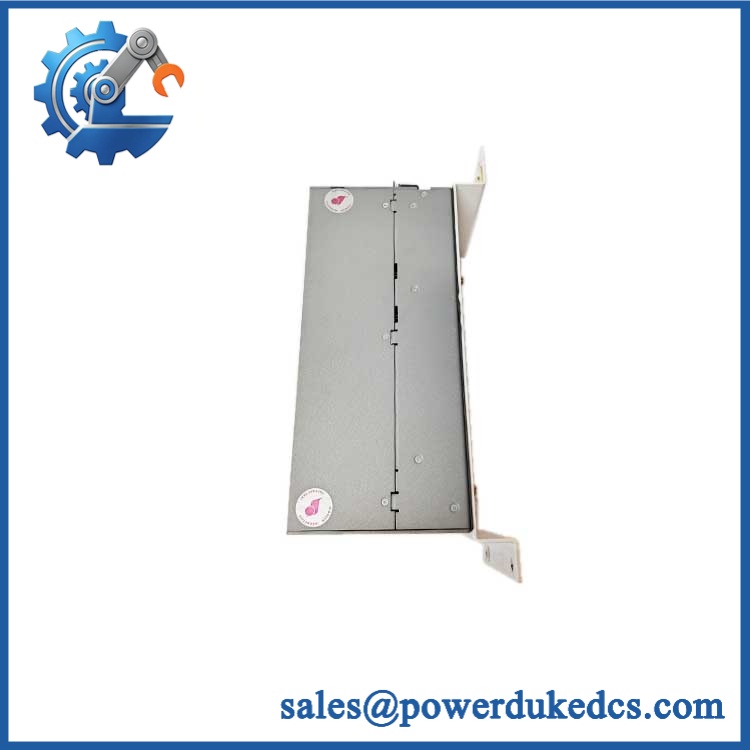
GE PM33211BP-5-1-3-F
Module 6: Quality Assurance SOP
The pre-shipment inspection for a GE PM33211BP-5-1-3-F should focus on processor identity, rack interfaces, memory/program handling, and controlled functional testing:
- Part-number verification — Confirm the complete identification as PM33211BP-5-1-3-F and record all visible GE markings, serial information, revision codes, and manufacturing identifiers.
- OEM anti-counterfeit visual inspection — Examine the housing, labels, PCB markings, connector construction, component markings, and manufacturing details for inconsistent printing, alterations, or unauthorized rework.
- Mechanical inspection — Check the enclosure, rack connector, card guides, mounting points, switches, terminals, and accessible PCB areas for cracks, corrosion, contamination, deformation, or impact damage.
- Memory/program-interface inspection — Inspect applicable memory and programming interfaces for damage or contamination. Confirm that no customer application data is present or altered during the supplier’s test process.
- Power-on self-test (POST) — Where an approved Series Six test rack is available, power the processor under controlled conditions and check applicable RUN, STOP, fault, and diagnostic indications.
- Processor functional screening — Verify processor startup, diagnostic behavior, memory recognition, and basic program execution using a controlled Series Six test configuration.
- I/O handshake verification — Where compatible Series Six rack hardware is available, connect the processor to the appropriate test rack and verify expected processor-to-I/O communication.
- Program-load verification — Where an approved test program is available, load a non-customer diagnostic program and verify execution. Customer application programs should not be represented as tested unless they were supplied for that specific unit.
- Configuration cross-check — Compare the tested processor against the customer’s stated rack type, processor designation, and available application documentation.
- Final inspection and packaging — Photograph the exact model label, record diagnostic results, protect the rack connector from contamination and impact, apply appropriate ESD precautions, and package the unit against mechanical shock and moisture.
The QA record should connect the PM33211BP-5-1-3-F identification, revision information, rack-interface inspection, POST results, processor functional test, and final packing record to the exact unit shipped. For legacy Series Six equipment, preserving traceability is particularly important because the controller may depend on application-specific hardware and program configurations.


 Start Chat