

Description
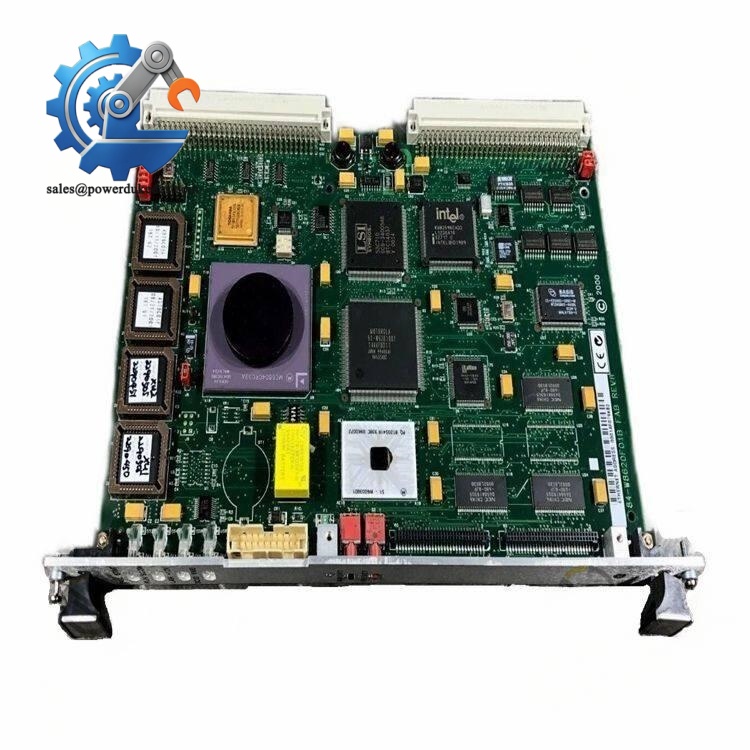
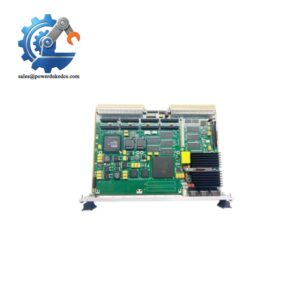
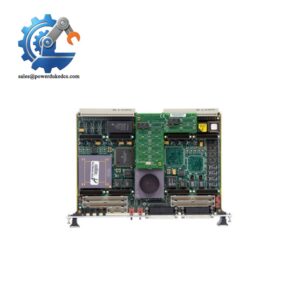
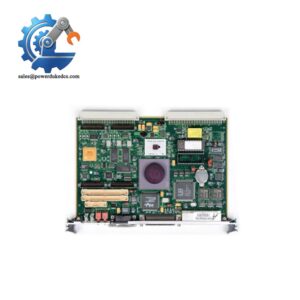
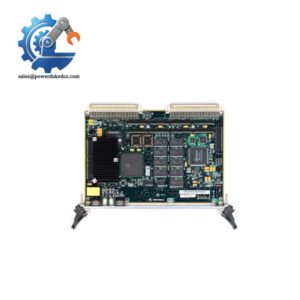
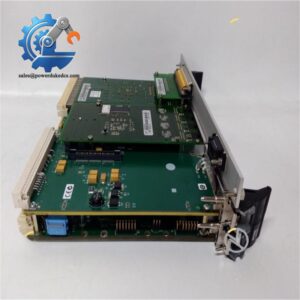
- Motorola MVME167-33B | ECC Memory VME Board
Unboxing & Physical Snapshot
- Brand & Model: Motorola MVME167-33B
- Product Family: Motorola MVME167 Series VME Single Board Computer.
- Product Type: 6U double-height VMEbus single-board computer designed for industrial embedded control, scientific instrumentation, and legacy automation systems.
- CPU Architecture: Motorola MC68040 32-bit processor.
- Processor Speed: 33 MHz.
- Memory Configuration: MVME167-33B series supports ECC-protected DRAM configurations; the -33B designation is associated with the 33 MHz processor class and 16 MB ECC DRAM configuration.
- Approximate Physical Dimensions:
- Board assembly: approximately 233 × 160 × 16.8 mm
- With front panel and connectors: approximately 262 × 188 × 20 mm
- Estimated Shipping Weight: Approximately 1.0–1.5 kg (2.2–3.3 lb) including ESD packaging.
- Mounting Style: Double-height 6U VME rack installation using standard VME backplane connectors.
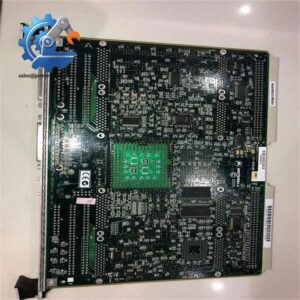
- Board Construction:
- Multi-layer PCB assembly
- Aluminum front panel
- VME P1/P2 connectors
- Processor and memory devices
- Mezzanine expansion area
- Hardware Features:
- MC68040 processor
- ECC DRAM memory
- EPROM sockets
- Battery-backed SRAM
- VMEbus interface
- Front Panel Features:
- Status indicators
- Serial communication access
- LAN interface connection option
- Reset/control access
- What’s in the Box:
- Motorola MVME167-33B CPU board
- Anti-static ESD shielding bag
- Protective foam packaging
- Documentation when supplied
Product Introduction
The Motorola MVME167-33B mounts into a 6U VME chassis as the processing core of a legacy embedded computing platform. Its MC68040 processor, ECC memory architecture, VMEbus interface, and industrial rack format were designed for systems requiring predictable operation over extended service periods (which remains common in laboratory equipment, transportation systems, and older automation installations).
Treat this board as a controlled spare asset. Inspect the VME connector contacts, battery-backed memory area, EPROM sockets, and front-panel hardware before installation. Check the date code. Aging components—not processor loading—are often the main concern with decades-old VME hardware.
Core Technical Specifications
| Parameter | Value |
|---|---|
| Manufacturer | Motorola |
| Model Number | -33B |
| Product Type | VMEbus Single Board Computer |
| Form Factor | 6U Double-Height VME |
| Processor | Motorola MC68040 |
| CPU Frequency | 33 MHz |
| Memory Type | ECC DRAM |
| Memory Capacity | 16 MB ECC DRAM |
| SRAM | 128 KB battery-backed SRAM |
| ROM Support | Four 44-pin PLCC EPROM sockets |
| VME Interface | A16/A24/A32 addressing support |
| Data Transfer | D8/D16/D32 VME transfers |
| Serial Interfaces | Multi-channel serial communication support |
| LAN Support | Optional external LAN transceiver |
| Watchdog Function | Supported |
| Real-Time Clock | Battery-backed clock |
| Power Input | +5 VDC, +12 VDC, -12 VDC |
| +5 VDC Consumption | Approximately 5.0 A typical at 33 MHz configuration |
| Maximum +5 VDC Current | Approximately 6.5 A |
| Operating Temperature | 0°C to 55°C |
| Storage Temperature | -40°C to +85°C |
| Humidity | 5–90% RH non-condensing |
Motorola MVME167-33B
Global Compliance & Industry Certifications
Expected regulatory considerations for thola include:
- CE Mark — applicable when installed within a compliant VME chassis and complete equipment enclosure meeting EMC requirements.
- UL/cUL Recognition — typically evaluated at the system chassis level rather than the individual VME processor board.
- RoHS Compliance — depends on manufacturing date because many boards were produced before current environmental directives.
- FCC Class A Compliance — the was tested within a compliant chassis configuration under specified grounding and shielding conditions.
- ATEX/IECEx — the board itself is not automatically approved for hazardous locations; the complete certified system must be evaluated.
- Marine approvals (DNV GL, ABS, or LR) — applicable only when installed in a certified marine computing system.
For legacy VME installations, certification records are normally maintained against the complete machine or rack assembly rather than the replacement CPU board alone.
Verify specific lot certifications with OEM.
Long-Term Storage & Asset Preservation Guide
- the inside an original anti-static (ESD) shielding bag. The VME connector fingers and memory devices can be damaged by static exposure during handling.
- Inspect the battery-backed SRAM area before installation. Battery leakage can permanently damage nearby PCB traces and socket contacts.
- Maintain warehouse humidity below 60% RH whenever possible. Connector oxidation is a frequent failure source after long storage periods.
- Store the board flat. Do not place weight on the front panel, ejector area, or connector edge.
- Inspect EPROM sockets, solder joints, capacitors, and connector plating during scheduled spare inventory checks.
Physical Installation Prerequisites
- Ithe only in a compatible 6U VME chassis.
- Verify VME backplane wiring and slot assignment before applying power.
- Inspect P1/P2 connectors for contamination, corrosion, or bent contacts.
- Provide forced airflow through the rack. The module requires approximately 490 LFM airflow at the card inlet for rated cooling conditions.
- Leave at least 50 mm clearance above and below the rack assembly where cabinet airflow depends on open convection paths.
- Confirm protective earth bonding between chassis rails and cabinet ground.
- Use ESD protection during insertion and removal.
- Verify firmware, EPROM contents, and application software compatibility before commissioning.
Buyer’s FAQ (Logistics & Compliance Focus)
Q: What HS Tariff Code is commonly used for thola ?
A: VME single-board computers are commonly evaluated under HS classifications related to electronic computing assemblies, often within 8471 or related electrical control equipment categories. Final classification depends on the importing country’s customs interpretation and declared equipment function.
Q: Why does Country of Origin matter for this Motorola VME board?
A: Country of Origin (COO) information supports customs clearance, supplier verification, warranty tracking, and regulated asset records. Keep the board label, serial number, and purchase documentation together.
Q: Should shipping insurance be purchasthe ?
A: Recommended. This board contains legacy processor electronics, ECC memory, battery-backed SRAM, and precision VME connectors. Transport shock, humidity, or ESD exposure may cause failures that appear only during startup testing.
Qthe include the latest firmware pre-loaded?
A: Firmware depends on the installed EPROM contents and the target application environment. Legacy VME systems often use customer-specific boot images, operating systems, or control software. Verify the existing image before replacement.


 Start Chat