

Description
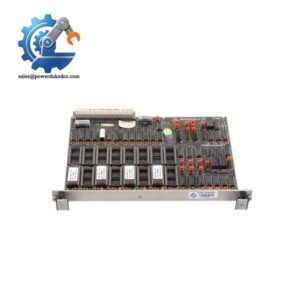
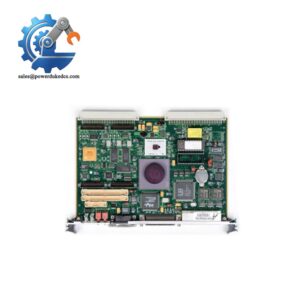
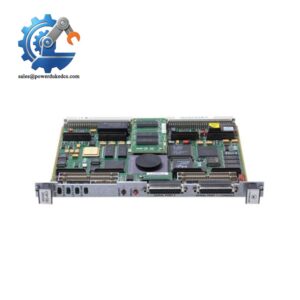
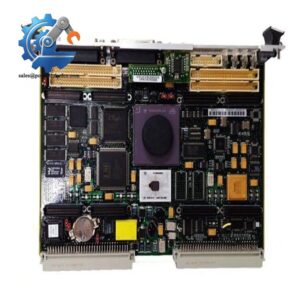
- Motorola MVME3100 | OEM VME Controller Hardware
Unboxing & Physical Snapshot
- Brand & Model: Motorola MVME3100
- Product Type: 6U VMEbus single-board computer (SBC) designed for embedded industrial computing, automation control, test systems, and long-life VME platforms. The MVME3100 uses an MPC8540 PowerQUICC III processor architecture with VME, PCI-X, PMC, Ethernet, SATA, and USB interfaces.
- Physical Dimensions (Approximate W × H × D):
- VME format: 6U, 4HP wide
- Board size: approximately 233.4 × 160 × 19.8 mm
- Estimated Shipping Weight: Approximately 0.8–1.2 kg including ESD shielding, protective foam, and export packaging.
- What’s in the Box:
- Motorola MVME3100 VME single-board computer
- Front panel assembly
- VME backplane connector interface
- Installed DDR memory configuration (revision dependent)
- Anti-static (ESD) shielding bag
- Protective packaging
- Documentation when supplied
Product Introduction
Structure B — Architecture Hook
The Motorola MVME3100 installs into a 6U VME chassis as a high-performance embedded processing module within a larger industrial computer architecture. It communicates through the VME backplane while handling application execution, I/O processing, storage interfaces, and expansion through PMC modules. Confirm the chassis airflow design and rear transition module compatibility before installation.
This controller is maintained in many long-life systems because replacing the computing platform can require extensive software validation and hardware redesign. Inspect the VME edge connectors, PMC sites, front-panel ports, and memory socket area before deployment (—especially for boards held in spare inventory for extended periods). Handle the board by its edges only; contamination or mechanical stress around connectors can create faults that appear only during operation.
Core Technical Specifications
| Parameter | Value |
|---|---|
| Manufacturer | Motorola |
| Model Number | MVME3100 |
| Product Type | 6U VME Single Board Computer |
| Processor | MPC8540 PowerQUICC III embedded processor |
| Processor Speed | 667 MHz / 833 MHz variants |
| L2 Cache | 256 KB integrated cache/SRAM |
| Main Memory | DDR SDRAM, configuration dependent |
| Flash Memory | Up to 256 MB depending on variant |
| VME Interface | 2eSST VMEbus |
| PMC Expansion | Dual 64-bit / 100 MHz PMC sites |
| Ethernet Interfaces | Dual 10/100/1000 Ethernet plus 10/100 Ethernet |
| Serial Interfaces | Up to five serial ports |
| Storage Interface | SATA |
| USB Interface | USB 2.0 |
| Supply Voltage | +5 VDC primary input |
| Typical Power Consumption | Approximately 4.5 A at +5 VDC (22.5 W) |
| Maximum Power Consumption | Approximately 5.6 A at +5 VDC (28 W) |
| PMC Power Support | Dependent on chassis configuration |
| Cooling Method | Forced-air VME chassis cooling |
| Operating Temperature | 0°C to +55°C with proper airflow |
| Storage Temperature | -40°C to +85°C |
| Relative Humidity | 5% to 90% non-condensing |
| Weight | Approximately 468 g without packaging |
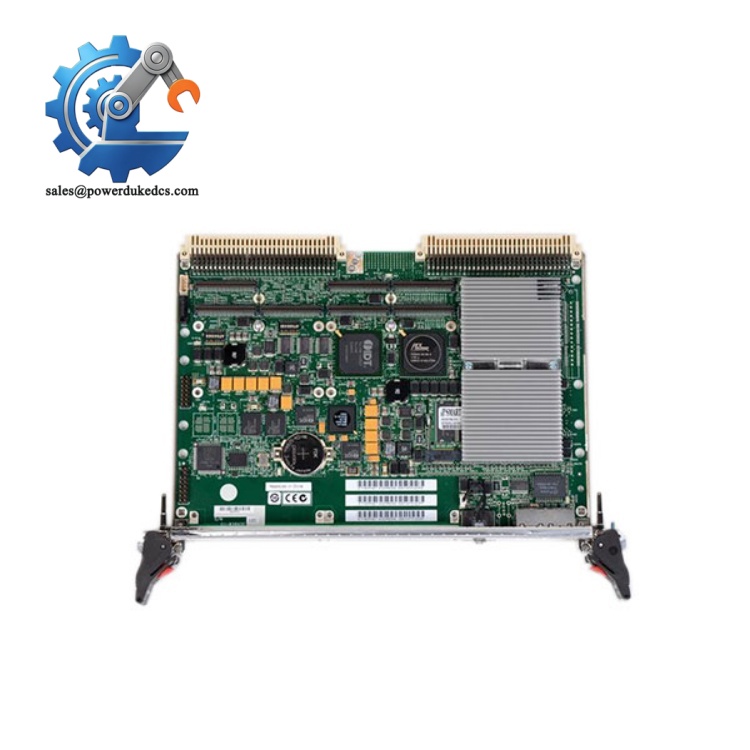
Motorola MVME3100
Specifications vary by revision and installed accessories. Verify processor speed, memory size, PMC configuration, and transition module requirements before replacement.
? Global Compliance & Industry Certifications
Expected regulatory approvals and compliance considerations for the Motorola include:
- CE Mark — applicable when installed within a compliant industrial equipment assembly.
- UL/cUL Recognition — may apply depending on the final system certification.
- FCC Compliance — relevant for electromagnetic emissions requirements.
- RoHS Compliance — dependent on manufacturing date and production revision.
- IEC EMC Compliance — important for embedded computing hardware operating near industrial switching equipment.
- ATEX/IECEx Compatibility — not a standalone hazardous-area certified product; suitability depends on the complete enclosure and system approval.
- Marine Approvals (DNV GL) — applicable only when integrated into certified marine automation equipment.
EMC evaluation matters because VME systems combine high-frequency processor activity, Ethernet interfaces, PCI expansion, and dense backplane connections inside confined chassis spaces.
Verify specific lot certifications with OEM.
? Long-Term Storage & Asset Preservation Guide
Keep the Motorola inside its original anti-static (ESD) shielding bag during storage. Protect the VME connector fingers, PMC contacts, and front-panel ports from dust and oxidation.
Maintain warehouse humidity below 60% RH. Moisture exposure can degrade connector surfaces and increase startup failures after long storage periods.
Inspect stored boards every 12–24 months. Check:
- VME edge connectors
- PMC expansion connectors
- PCB surface condition
- Memory modules
- Front-panel hardware
- Battery-backed components if installed
Allow sealed boards to reach room temperature before opening the packaging. Condensation on a cold circuit board can damage sensitive components.
Physical Installation Prerequisites
- Install only in a compatible 6U VME chassis.
- Verify VME backplane compatibility before insertion.
- Confirm chassis power capacity for the +5 VDC supply requirement.
- Provide forced-air cooling through the card cage.
- Leave at least 50 mm clearance around airflow openings where cabinet design permits.
- Verify protective earth grounding continuity.
- Secure front-panel retaining screws before operation.
Do not insert or remove the board while energized unless the specific VME platform supports that procedure.
Buyer’s FAQ (Logistics & Compliance Focus)
Q1. What HS Tariff Code is commonly used for the Motorola ?
A: The final Harmonized System classification depends on the importing country’s customs interpretation and the declared function of the equipment. Embedded computer boards are generally reviewed under electronic processing equipment or industrial control board categories. Confirm the final HS code with your customs broker before export.
Q2. Does Country of Origin affect import documentation?
A: Yes. COO information can influence customs clearance, duty assessment, and customer audit records. Maintain the original product label, serial information, supplier documents, and receiving inspection reports.
Q3. Is shipping insurance recommended for this VME controller board?
A: Recommended. The contains precision electronic assemblies, edge connectors, and expansion interfaces that can be affected by impact, moisture, or electrostatic discharge. Use ESD packaging and replacement-value insurance.
Q4. Does the include the latest firmware pre-loaded?
A: Firmware depends on the installed Flash contents, boot software revision, and previous application configuration. Verify the firmware revision, operating environment, and application compatibility before installing the controller into an active VME system.



 Start Chat