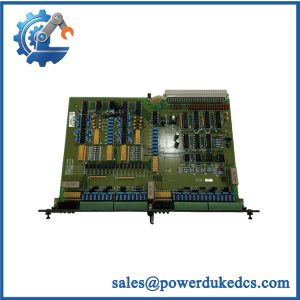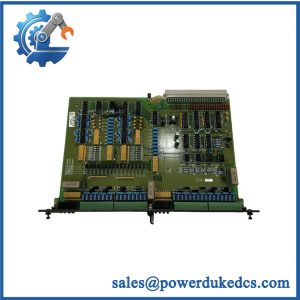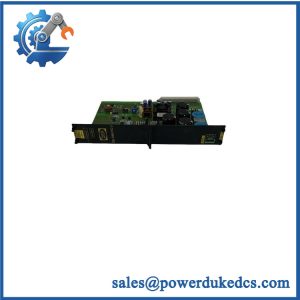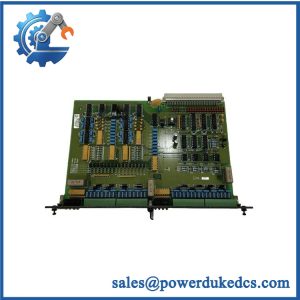
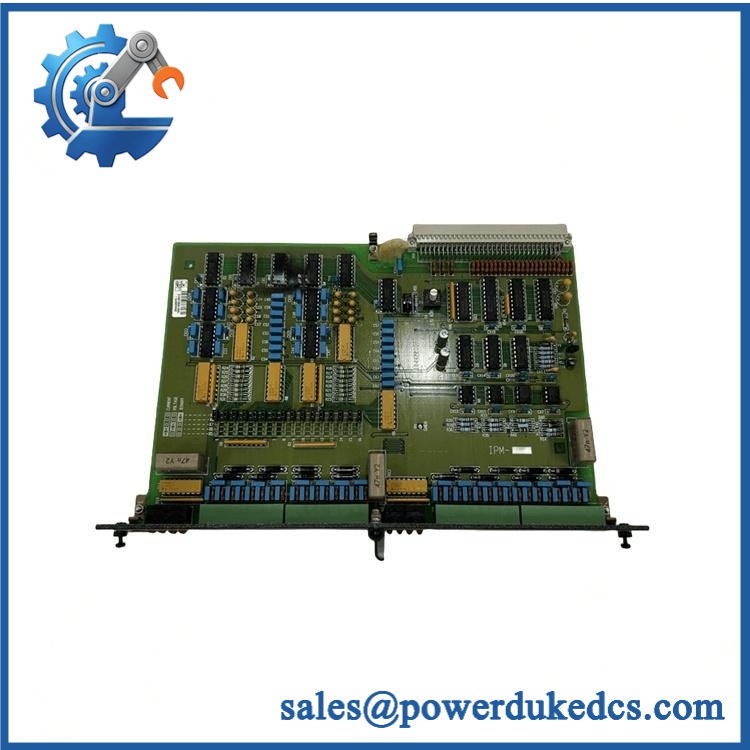
Description
-
Brand: DEIF
-
Full Model Number: IFM5.1
-
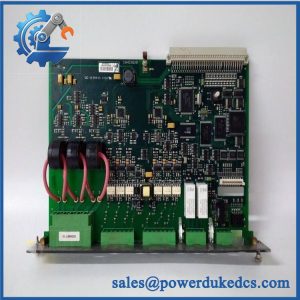
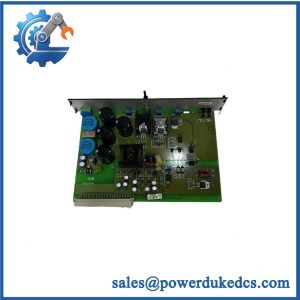
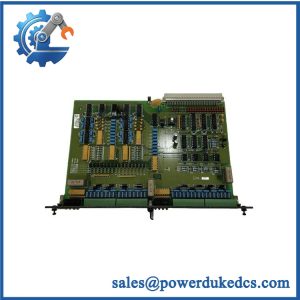
Product Type: Interface and Fieldbus Module
-
Associated Platform: DEIF AWC 500 wind turbine controller
-
Lifecycle Status: Listed in DEIF’s product catalog; current production status and order availability require confirmation
-
Core Function: Serial communication and fieldbus interfacing within a configured control system
-
Top 3 Technical Specifications:
-
Serial Interfaces: RS-422 and RS-485
-
Fieldbus Interfaces: CAN and CANopen
-
Additional Interface: SSI (Synchronous Serial Interface)
-
-
System Compatibility: Verify AWC 500 rack configuration, interface requirements, and installed software
-
Stock and Condition: Physical inventory, revision, packaging, and condition subject to confirmation
-
Dispatch Lead Time: Confirmed after stock verification and order approval
-
Warranty: Written warranty terms required before purchase order approval
Obsolescence and Supply Chain Deep Dive
A communication-module failure can interrupt data exchange between a controller and connected equipment, complicating fault diagnosis and extending maintenance downtime. The DEIF IFM5.1 provides RS-422/RS-485, CAN, CANopen, and SSI interfaces within DEIF’s control hardware portfolio. For maintenance teams supporting an AWC 500 installation, the critical procurement task is matching the communication module to the existing system configuration. Connector compatibility alone does not prove that the required protocol, interface settings, or connected-device communication will operate correctly. Confirm the full module designation, installed hardware arrangement, and communication requirements before ordering.
For an existing installation, replacing a failed IFM5.1 with a verified compatible unit may avoid the immediate cost of redesigning the communication architecture or migrating the control platform. Total Cost of Ownership (TCO) should include the replacement module, freight, engineering labor, configuration checks, and commissioning. A like-for-like replacement is most economical when the existing control hardware remains suitable and the replacement meets the original interface requirements. However, catalog visibility does not guarantee continuing production or immediate availability. Record the installed module revision, maintain a spare-parts plan, and evaluate alternative communication hardware only after confirming the engineering effort and system-level compatibility (delivery times for legacy or configuration-specific modules can vary with actual stock).
Compatibility and Replacement Matrix
The IFM5.1 should be selected according to its intended communication role. Verify the installed controller and connected devices before treating the module as a direct replacement.
|
Replacement Scenario |
Compatibility Assessment |
Required Action |
|---|---|---|
|
Identical IFM5.1 with matching hardware and interface configuration |
Candidate drop-in replacement |
Confirm the complete part designation, revision, connectors, and approved system configuration |
|
IFM5.1 installed in a different AWC 500 rack configuration |
Compatibility requires verification |
Check rack arrangement, module position, and system configuration |
|
Replacement where the required interface differs |
Not automatically compatible |
Verify RS-422, RS-485, CAN, CANopen, or SSI requirements |
|
Replacement involving different communication settings or application software |
Configuration verification required |
Check protocol settings, software compatibility, and connected-device requirements |
|
.1 replaced with .2 or another communications module |
Not an established drop-in replacement |
Verify interface functions, connector requirements, network architecture, and OEM approval |
|
Replacement requiring wiring or hardware adaptation |
Hardware modification may be required |
Complete an engineering review before implementing changes |
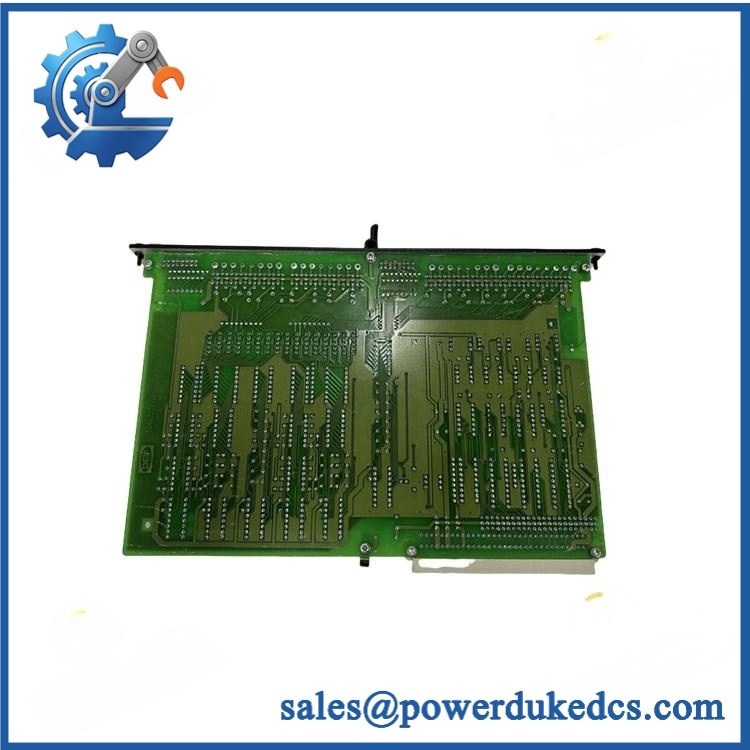
- DEIF .1
Replacement Cost and Time Estimates
The following are preliminary maintenance-planning allowances, not DEIF-approved service durations or supplier quotations.
|
Cost or Schedule Item |
Preliminary Planning Allowance |
|---|---|
|
Part identification and compatibility review |
30–60 minutes |
|
Physical inspection and configuration recording |
30–60 minutes |
|
Like-for-like module replacement |
Approximately 1–2 labor hours |
|
Communication testing and functional verification |
Approximately 1–3 labor hours |
|
Replacement module and expedited freight |
Supplier quotation required |
|
Total maintenance window |
Approximately 2–5 hours, subject to system complexity |
These allowances assume that the replacement is available, the original configuration is documented, and no wiring redesign is required. Troubleshooting connected equipment, correcting communication settings, and completing an extended functional test may increase the maintenance window.
Field Traps to Check Before Ordering
Interface mismatch: RS-422 and RS-485 are not interchangeable in every wiring arrangement, and CANopen is a communication protocol rather than a substitute for every CAN-based application. Match the interface type, wiring, protocol, and connected-device requirements to the installed configuration.
Module-family mismatch: Do not assume that .2 or another similarly named DEIF module replaces .1 directly. Compare documented functions, physical interfaces, rack requirements, and software support before approving a substitution.
Configuration warning: Record existing communication parameters and wiring before removal. Do not change termination, addressing, or application settings without checking the applicable hardware documentation.
Electrical specification limitation: Verify the module’s supply requirements, terminal assignments, and interface-specific electrical limits from the applicable technical documentation. Do not apply an assumed voltage or test signal to unidentified terminals.
Quality Assurance and Testing SOP
Every offered .1 should undergo documented identification, physical inspection, and testing appropriate to the module’s communication function. Pre-shipment records must distinguish completed tests from checks that require the customer’s complete control system.
|
QA Stage |
Required Procedure |
Acceptance Criteria |
|---|---|---|
|
Part identification |
Record the DEIF .1 model designation, available serial or batch information, revision, and traceability records |
Identification matches the purchase specification |
|
OEM anti-counterfeit visual inspection |
Examine labels, PCB markings where accessible, connectors, soldering, component condition, and signs of unauthorized repair |
No unexplained identity discrepancies or visible defects affecting use |
|
Mechanical inspection |
Inspect housing, mounting features, contact surfaces, and connector alignment |
No damage that compromises installation or electrical contact |
|
Power-supply verification |
Confirm the documented supply requirements and inspect using an approved test arrangement |
Test conditions remain within applicable OEM limits |
|
Power-on self-test (POST) |
Power the module in a compatible test setup and record startup behavior |
Startup results meet the applicable test procedure |
|
Status indicator verification |
Check ERR/RUN LEDs where fitted; document the actual indicator labels and observed states |
Indications correspond to the applicable hardware reference |
|
RS-422/RS-485 interface test |
Verify the relevant serial interface with compatible test equipment and documented settings |
Communication response meets the agreed acceptance criteria |
|
CAN/CANopen communication test |
Test the applicable interface using a compatible device or test fixture |
Communication completes without unresolved faults within the test scope |
|
SSI interface test |
Verify SSI signal exchange with a compatible test device when required |
Signal behavior matches the applicable interface specification |
|
Connected-system I/O load testing |
Where the test setup includes associated I/O, check the complete signal path using approved loads or simulators |
Connected control signals respond as expected; no unsupported direct loading of the interface module |
|
Final inspection and packing |
Photograph the actual unit, record inspection results, and use suitable ESD-protective packaging |
Shipped item matches the inspected module and test record |
Pre-Shipment Test Report
The test record should include the module designation, identification markings, inspection results, interface tests performed, test equipment where applicable, and any limitations.
A power-on check alone does not prove communication functionality. Testing RS-485 does not establish that CANopen or SSI operates correctly, and a module-level test does not guarantee successful integration with the customer’s full control application.
Where a compatible AWC 500 test arrangement is unavailable, disclose that limitation in writing. Do not describe untested interfaces as fully verified. Extended testing should be stated as completed only when supported by documented results.
Procurement and Lifecycle FAQ
Is the DEIF .1 genuinely in stock, and what is the emergency shipping cutoff?
Availability must be confirmed against the physical inventory. Request written confirmation of quantity, actual-unit photographs, condition, revision, and dispatch arrangements. Emergency shipping depends on order approval, payment clearance, packing requirements, export documentation, and carrier collection. No fixed dispatch cutoff should be assumed without confirmation.
How do you verify the condition and authenticity of a surplus .1?
Request photographs of the actual module, its identification label, connectors, and available internal markings. The quotation should distinguish new original, new surplus, and used equipment, as applicable. Ask for available traceability records and a unit-specific inspection report. Visual inspection alone does not prove authenticity or functional performance.
Are there communication or software compatibility issues to resolve before issuing the purchase order?
Yes. Confirm whether the application requires RS-422, RS-485, CAN, CANopen, or SSI. Verify the connected equipment, wiring arrangement, communication parameters, and software requirements. The .1 designation identifies the module family but does not independently establish compatibility with every connected device or control-system configuration.
What warranty and return terms apply to the DEIF .1?
The written quotation should specify the warranty period, coverage, defective-on-arrival procedure, return authorization requirements, and exclusions. For surplus or used equipment, confirm whether coverage includes functional failure and what test evidence is needed for a claim. Retain the product photographs, inspection records, test report, and shipping documents.
Is replacing the .1 more economical than redesigning the communication system?
A verified like-for-like replacement may have a lower immediate cost when the existing architecture remains suitable. Compare the module price, freight, installation, communication testing, and downtime against the engineering, wiring changes, software work, and commissioning required for an alternative solution. If ongoing availability is uncertain, include future spare requirements and the cost of a planned migration in the lifecycle assessment.