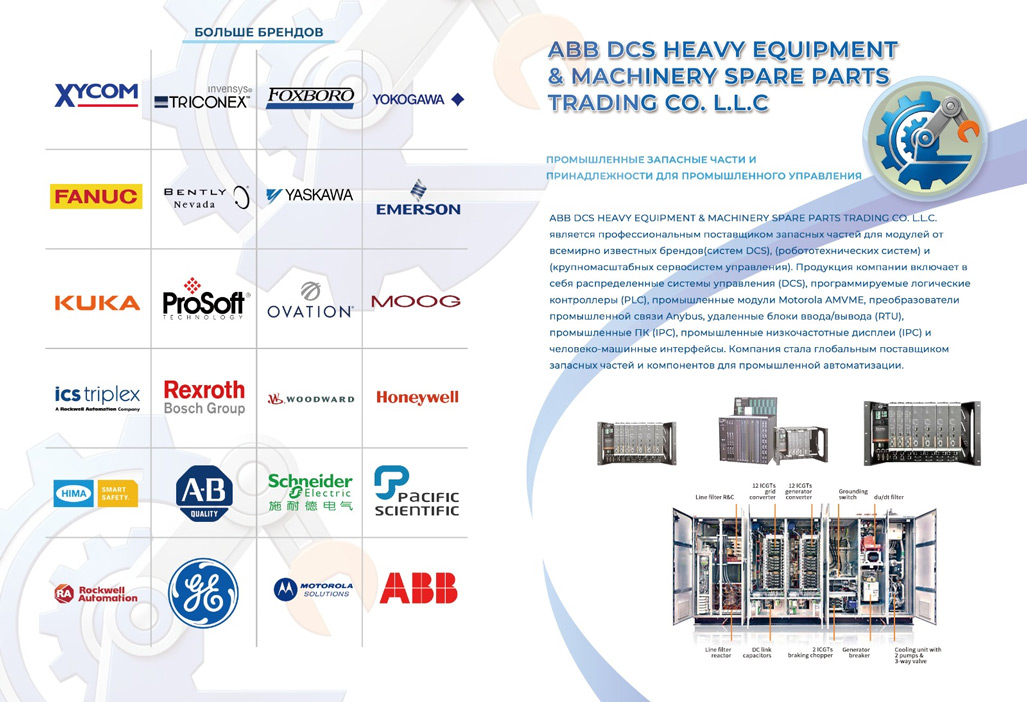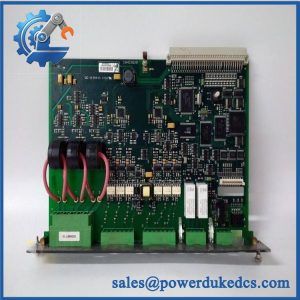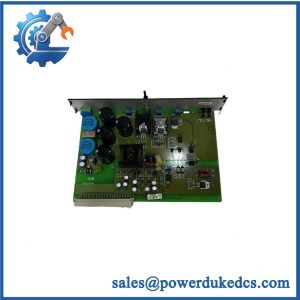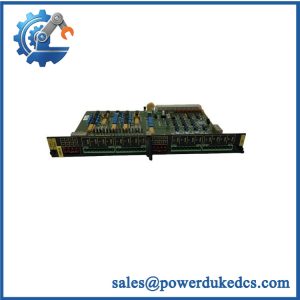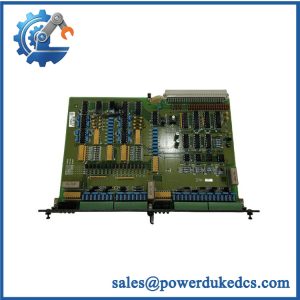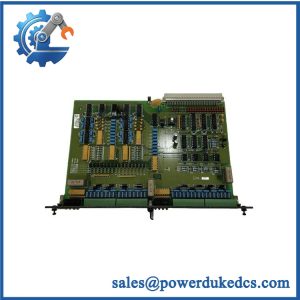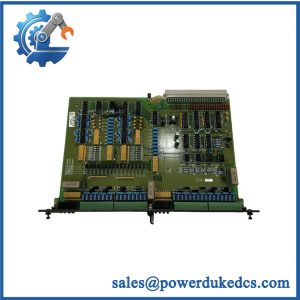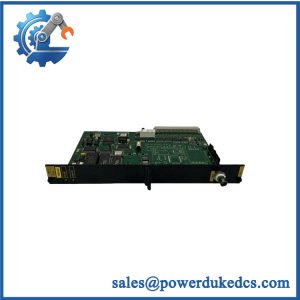
Description
-
Brand: DEIF
-
Full Model Number: IPM-1
-
Lifecycle Status: Current OEM lifecycle status requires confirmation
-
Core Function: Industrial generator control or monitoring component; exact function requires verification against DEIF documentation
-
Top 3 Technical Specs: Model designation IPM-1; electrical ratings unverified; interface and controller compatibility unverified
-
Stock & Condition: Physical stock, condition, revision, and dispatch time subject to confirmation
-
Procurement Priority: Verify the full part number, application, electrical interface, and installed controller before ordering
Obsolescence and Supply Chain Deep Dive
When a legacy generator control component fails, sourcing the correct replacement can delay maintenance and extend equipment downtime. The DEIF IPM-1 requires positive identification before purchase approval because the model designation alone does not establish its precise function, supported controller family, or electrical specifications. Confirm the installed unit’s nameplate, revision markings, connectors, and system documentation. For urgent orders, request actual-unit photographs and available inspection records before committing to a shipment.
Replacing an individual failed component may cost less than upgrading an entire generator control system. The total cost of ownership (TCO) assessment should include the replacement price, engineering labor, commissioning, downtime exposure, and expected future spare availability. Retaining the existing architecture may reduce reconfiguration costs when the replacement is verified as compatible. However, if the installed system has multiple failing components or limited support options, a planned migration may provide better long-term value (surplus inventory may shorten sourcing time, but its condition and traceability must be assessed separately).
Compatibility and Replacement Matrix
The IPM-1 should not be approved as a direct replacement until its application and interface specifications are confirmed.
|
Evaluation Item |
Procurement and Engineering Guidance |
|---|---|
|
Manufacturer |
DEIF |
|
Model |
IPM-1 |
|
Product category |
Exact product function requires confirmation |
|
Intended system |
Verify the installed DEIF controller or generator management platform |
|
Replacement classification |
Conditional; direct interchangeability has not been established |
|
Electrical requirements |
Confirm rated supply voltage, current, and terminal assignments |
|
Communication interface |
Verify supported protocol and controller connection |
|
Firmware compatibility |
Confirm applicable controller and module revision requirements |
|
Hardware modification |
Undetermined until mounting, connectors, and electrical interfaces are checked |
|
Estimated replacement labor |
Allow 1–2 hours for planning a straightforward physical replacement, excluding fault diagnosis |
|
Engineering review |
Allow 2–4 hours for initial identification and compatibility assessment |
|
Commissioning |
Site-dependent; verify communication, indications, alarms, and supported functions |
|
Alternative models |
Require documented technical approval before substitution |
The labor figures are preliminary planning estimates, not DEIF specifications or guaranteed completion times.
Field Traps to Check Before Ordering
-
Incomplete model identification: Confirm whether IPM-1 is the complete ordering designation or whether a longer part number, revision, or assembly code appears on the installed unit.
-
Electrical and communication mismatch: Verify the supply rating, terminal layout, supported interface, and controller configuration. A physically similar module may not be electrically or functionally interchangeable.
Do not assume that firmware changes alone will resolve a hardware incompatibility.
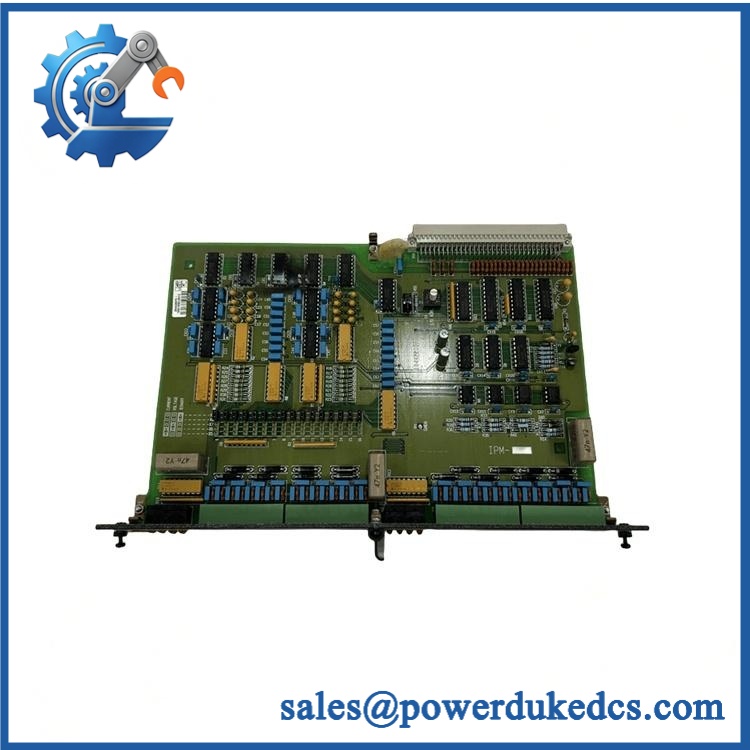
DEIF IPM-1
Quality Assurance and Testing SOP
Pre-shipment checks should establish product identity, physical condition, and functional status. Testing must use an approved configuration appropriate to the verified application.
Visual Inspection and Identification
-
Record the DEIF brand, designation, serial number, and available revision markings.
-
Photograph the nameplate, enclosure, connectors, and terminal labels.
-
Inspect for corrosion, cracked housings, damaged pins, contamination, and evidence of unauthorized rework.
-
Compare available markings with OEM documentation and traceability records.
-
Document any identification discrepancies.
Power-Up and Diagnostic Checks
-
Confirm the rated supply from the applicable technical documentation.
-
Use an approved compatible test fixture.
-
Observe startup behavior and available RUN, ERR, or status indicators, where fitted.
-
Record fault indications and abnormal operating behavior.
-
Compare observed results with the applicable product manual.
Interface and Functional Testing
-
Verify recognition by compatible test equipment where supported.
-
Check communication and signal behavior against documented specifications.
-
Perform I/O or load testing only if applicable to the confirmed module function.
-
Check alarm reporting and response behavior using an approved test setup.
-
Record test conditions, results, and any functions not verified.
Final Inspection and Release
-
Match the unit to its inspection record.
-
Retain photographs and completed test results.
-
Apply electrostatic-discharge protection where required.
-
Protect terminals and connectors during shipment.
-
Confirm the agreed condition, warranty, and shipment contents.
QA limitations: Visual inspection alone cannot establish OEM authenticity. A successful power-up does not prove full operational performance. Functional testing must be reported only when the relevant procedure has been completed using suitable equipment.
Procurement and Lifecycle FAQ
Is the DEIF in stock, and when can emergency shipping be arranged?
Physical availability must be confirmed before order acceptance. Request the available quantity, actual-unit photographs, condition, revision, dispatch location, and earliest carrier collection time. Same-day dispatch depends on verified inventory, order processing, packing readiness, and carrier availability.
How do you verify the condition and authenticity of the DEIF ?
Request photographs of the actual unit, nameplate, serial number, and connectors. Ask for available traceability documents and functional test records. Appearance alone cannot prove OEM authenticity, and testing claims should be supported by recorded results.
Are firmware compatibility issues possible before issuing the purchase order?
Potential issues depend on the confirmed product function and installed system. Verify the controller model, software revision, supply requirements, communication interface, and configuration settings. Obtain engineering approval before installation.
What warranty and return terms apply?
The warranty period, coverage, exclusions, and return authorization process should be stated in the written quotation. Confirm the procedure for reporting defects and whether the warranty covers the complete unit or specified components. Do not assume surplus inventory carries the manufacturer’s original warranty.
What information is needed for an accurate quotation?
Provide the following details:
-
Full model designation: DEIF
-
Required quantity and preferred condition
-
Photographs of the installed unit and identification label
-
Associated controller or generator management system
-
Available revision and technical documentation
-
Delivery destination and required arrival date
-
Warranty, traceability, and testing requirements
These details allow the supplier and engineering team to verify the product identity, assess compatibility, and establish a realistic delivery schedule before the purchase order is issued.