

Description
- Brand: Motorola
- Full Model Number: HPR431 / SYS431 or SYS443 / MFT543
- System/Series Family: Motorola PCE I legacy system
- Core Function: Multi-board PCE I assembly combining HPR, SYS, and MFT sub-board functions
- Top 3 Hardcore Specs: HPR431 sub-board; SYS431 or SYS443 sub-board; MFT543 sub-board
- Assembly Type: Legacy multi-board industrial/communications electronics assembly
- Architecture: Parent assembly with interchangeable or configuration-dependent sub-boards
- Stock Status: New Surplus, Used Tested, or Refurbished subject to exact configuration
Publicly indexed references associate HPR431, SYS431/SYS443, and MFT543 with a Motorola PCE I system assembly rather than identifying them as three unrelated standalone products. The available evidence also indicates that configuration can vary between SYS431 and SYS443.
Module 3: Technical Product Introduction
When a legacy Motorola system reaches the point where one proprietary board fails, identifying the complete board combination is often more important than matching a single reference number. The HPR431 / SYS431 or SYS443 / MFT543 combination is publicly associated with a Motorola PCE I assembly, consisting of multiple specialized sub-boards installed as one system component. Current technical listings describe the combination as a specialized board assembly rather than a conventional standalone PLC I/O module.
The critical procurement issue is configuration control. The reference can appear as SYS431 or SYS443, while HPR431 and MFT543 remain part of the same assembly family. Available sources do not provide sufficiently authoritative manufacturer-level documentation to assign verified processor speed, memory size, field protocol, voltage, or environmental ratings specifically to these three sub-boards. Those values should therefore not be inferred from newer Motorola VME products. This is an older PCE I assembly, and exact hardware revision, daughter-board population, connector arrangement, and backplane compatibility should be confirmed from the physical unit before replacement.
Module 4: Application Scenarios & Field Realities
- For a running legacy PCE I installation, the primary value of this assembly is replacement continuity. Because the architecture uses multiple dedicated sub-boards, a visually similar Motorola board from another product generation should not be treated as interchangeable simply because the manufacturer name and general board format match.
- During cabinet refurbishment, compare the complete HPR431, /SYS443, and MFT543 population against the removed assembly. A missing daughter-card or an incorrect SYS revision can leave the chassis mechanically complete while changing the expected system behavior.
- When troubleshooting an intermittent legacy controller or communications function, inspect the board-to-board connectors, card guides, socketed devices, and signs of oxidation before condemning the logic boards themselves. Older assemblies can accumulate contact resistance after long storage or repeated removal (especially where the equipment has spent years in a high-humidity plant environment).
- For spare-parts inventory planning, retain the exact sub-board combination rather than stocking only a generic PCE I identifier. Current references explicitly describe together with / and , so the complete installed configuration is a more useful purchasing identifier than the family name alone.
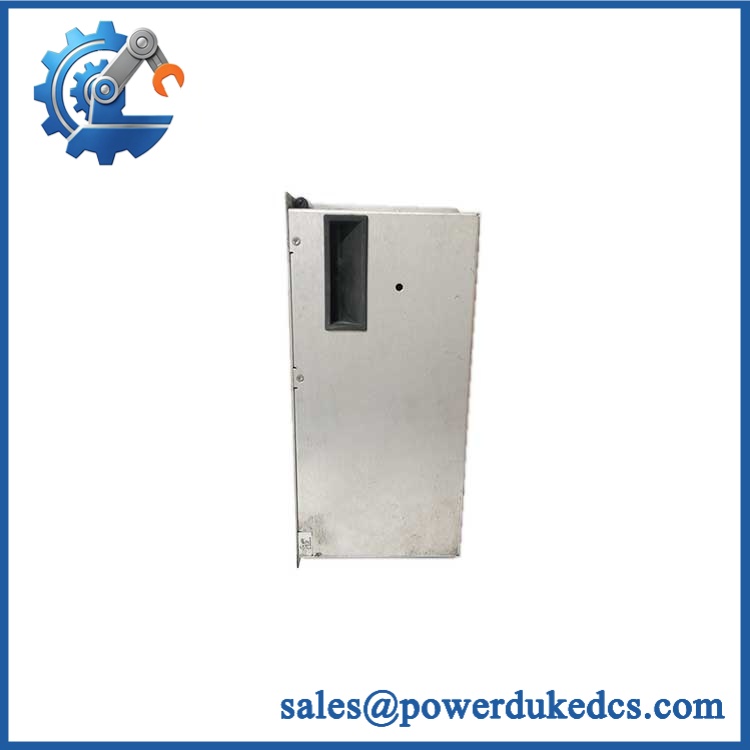
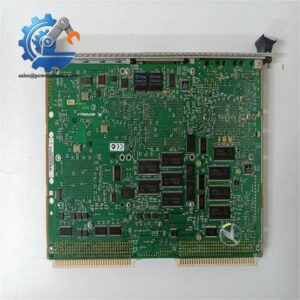
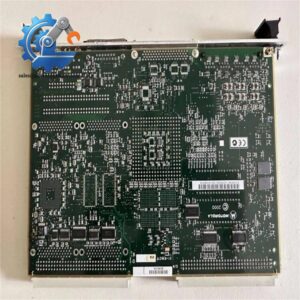
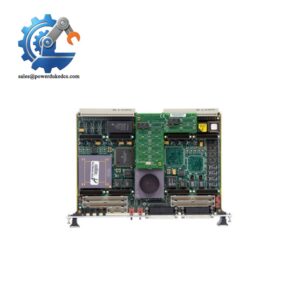
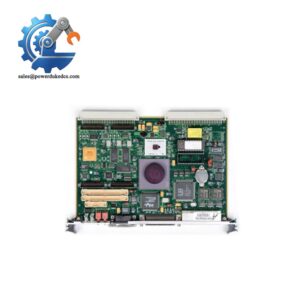
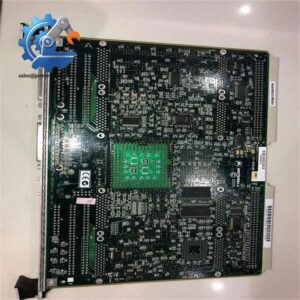
MOTOROLA HPR431 SYS431 SYS443 MFT543
Module 5: Migration, Compatibility & Installation Traps
Replacement Matrix
Replacement classification: Drop-in Replacement only when the complete / -or- / configuration matches the installed assembly.
Software compatibility: Configuration verification required. The available public references do not establish a verified firmware interchangeability matrix for versus . Do not assume that a different board revision can be inserted without checking the original system documentation.
Cross-model replacement: Hardware modification or engineering verification required. A later Motorola VME processor or communications board is not a documented direct substitute for this PCE I assembly. Public sources separately identify products such as the Motorola PCE I 01-W3839F-07A, but that is a different hardware family and should not be substituted solely from a Motorola part-number relationship.
Field Traps — Watch Out
1. and are not interchangeable by assumption. The indexed PCE I references explicitly show as alternative system-board identifiers. Before procurement, read the complete board marking on the installed unit and match the exact variant rather than ordering on the basis of “SYS43x.”
2. Do not confuse PCE I boards with newer VME products. Motorola’s later VME families use different processor architectures, backplane interfaces, memory configurations, and firmware environments. The publicly indexed Motorola PCE I 01-W3839F-07A, for example, is identified separately as a VME processor board, while the /SYS/MFT combination is described as a distinct legacy component assembly.
3. Verify the complete daughter-board stack before energizing. Photograph the original assembly, record every board identifier and revision, and document connector locations. For obsolete equipment, this physical configuration record is often more reliable than a generic inventory description.
Module 6: Quality Assurance SOP
Pre-Shipment Inspection Protocol for MOTOROLA
- OEM identity inspection: Verify Motorola markings and individually record the , or , and identification numbers, revision labels, and serial information where present.
- Configuration inspection: Photograph the complete assembly before disassembly and compare the sub-board population against the requested configuration.
- Mechanical inspection: Examine PCB edges, card guides, mounting hardware, board stiffeners, connectors, sockets, and locking mechanisms for cracks, bending, corrosion, contamination, or unauthorized repair work.
- Connector inspection: Check all board-to-board and backplane contacts for oxidation, deformation, foreign material, or damaged plating.
- Component inspection: Look for swollen capacitors, cracked packages, heat discoloration, damaged sockets, loose components, and evidence of previous solder rework.
- Power-rail verification: Apply only the verified system power conditions from the applicable PCE I documentation or customer cabinet drawing; do not infer supply voltage from unrelated Motorola boards.
- Power-on self-test: Energize the complete assembly in a controlled test chassis and monitor startup behavior, fault indications, current draw, and abnormal temperature rise.
- Board-level verification: Test , the applicable / board, and together rather than qualifying one sub-board independently when the intended product is the complete assembly.
- Communication/interface verification: Confirm the available system interfaces or board-level communication paths using the correct PCE I test environment; do not substitute a generic Ethernet, serial, or VME test simply because the connector appears similar.
- Functional fault check: Where the test fixture permits, exercise representative system functions and verify that no unexpected diagnostic, reset, or communication faults occur.
- Thermal observation: Run the assembly under controlled operating conditions and monitor for abnormal heat generation, intermittent resets, unstable interfaces, or connector-related failures.
- Final QC record: Record every sub-board number and revision, test fixture used, power conditions, startup result, functional-test results, inspection date, and inspector approval.
- ESD-controlled packaging: Separate and secure the boards against electrostatic discharge, connector impact, vibration, moisture, and mechanical flexing during shipment.
Procurement note: The available evidence supports identifying MOTOROLA / as a PCE I multi-board legacy assembly, but public documentation is not strong enough to responsibly publish unverified values for input voltage, memory, processor architecture, communication protocol, dimensions, or temperature rating. For a replacement order, the safest identifier is the complete physical board population plus the exact / revision, rather than relying on a generic product description.



 Start Chat