

Description
- Brand: Yokogawa
- Full Model Number: KS2-5*A
- Lifecycle Status: Legacy / Exact ordering configuration requires verification
- Core Function: Advanced valve positioner configuration associated with Yokogawa YVP110
- Top 3 Technical Specs: FOUNDATION Fieldbus communication; 9–32 VDC supply; IP65 enclosure
- Product Family: YVP110 Advanced Valve Positioner
- Control Type: Digital valve positioner
- Hazardous-Area Option: KS25 ATEX Type n / Ex ic configuration
- Communication: FOUNDATION Fieldbus
- Valve Control: Single- or double-acting actuator, depending on complete YVP110 code
- Stock & Condition: New Surplus / Tested Refurbished — exact configuration must be confirmed
Important identification note: Yokogawa’s documentation identifies KS25, rather than “KS2-5*A,” as an optional code for the YVP110 Advanced Valve Positioner. The supplied designation therefore appears incomplete or formatted differently from Yokogawa’s standard model/suffix structure.
Module 3: Obsolescence & Supply Chain Deep Dive
A procurement request containing only KS2-5*A should not be treated as a complete Yokogawa ordering code. Yokogawa’s own YVP110 documentation shows that the base product is YVP110 Advanced Valve Positioner, followed by specific input-signal, actuator, connection, and optional-code selections. KS25 is an ATEX option associated with potentially explosive atmospheres; it is not, by itself, the complete positioner model. The identification issue is therefore the main sourcing risk. Ordering a positioner with the wrong communication, actuator, connection, or hazardous-area option can force a panel change or delay commissioning.
For an existing installation, a verified matching positioner can preserve the valve actuator, pneumatic connections, control strategy, and Foundation Fieldbus architecture. Yokogawa specifies 9–32 VDC operation for the Foundation Fieldbus version, IP65 enclosure protection, and separate hazardous-area options including KS25. That makes exact configuration matching more important than simply locating a with the same family name. —For lifecycle procurement, the PO should include the complete nameplate string or photograph before the unit is released.
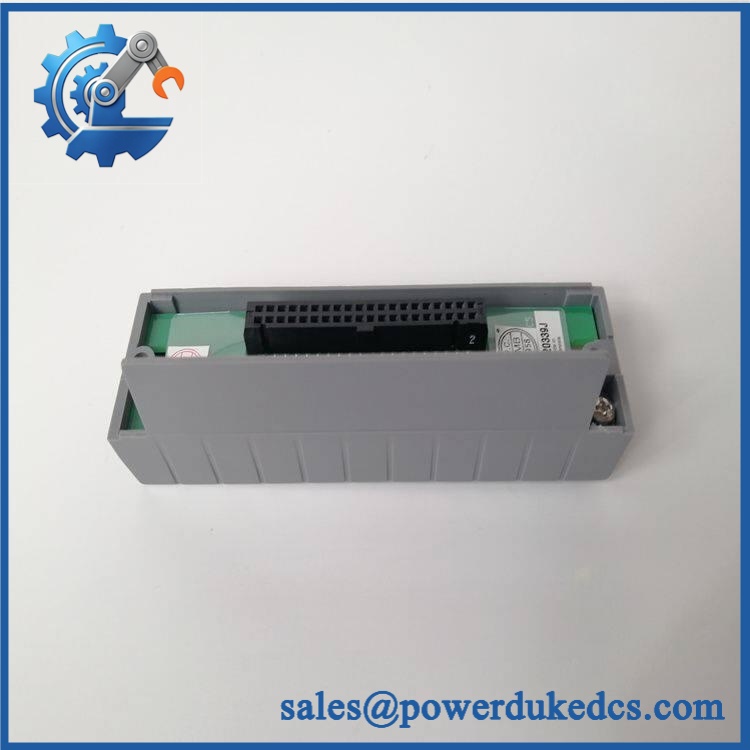
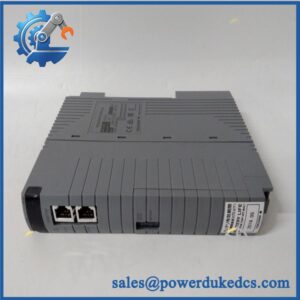
Yokogawa KS2-5*A
Module 4: Compatibility & Replacement Matrix
| Approval Question | Assessment for Yokogawa KS2-5*A / |
|---|---|
| Product Type | Advanced Valve Positioner configuration — exact suffix incomplete |
| Replacement Type | Potential drop-in replacement only after complete code is confirmed |
| Communication | FOUNDATION Fieldbus for -F configurations |
| Supply | 9–32 VDC for the relevant Foundation Fieldbus configuration |
| Enclosure | IP65 |
| Hazardous-Area Option | KS25 — ATEX Ex ic / Ex nA configuration |
| Actuator | Single- or double-acting, configuration dependent |
| Electrical Connection | Configuration dependent: G1/2, 1/2 NPT, DIN Pg 13.5, or M20 |
| Firmware | Verify installed software/configuration requirements |
| Hardware Modification | Normally none for an exact configuration match |
| Typical Field Swap | 1–3 hours, excluding valve calibration and commissioning |
| Engineering Effort | Low for identical configuration; medium if suffixes differ |
Yokogawa’s model structure shows → input signal → actuator type → connection → fixed N → optional specifications. Therefore, KS25 cannot independently define the complete replacement unit.
Field Traps — Watch Out
- Incomplete model identification: The supplied KS2-5*A does not correspond directly to the complete model/suffix structure found in Yokogawa’s documentation. Confirm the entire nameplate before purchase.
- certification mismatch: Yokogawa defines as an ATEX hazardous-area option with Ex ic / Ex nA characteristics. The documented ratings include Ui = 32 V for the Ex ic configuration, with IP65 enclosure protection.
- Foundation Fieldbus versus other control interfaces: The documentation identifies -F as FOUNDATION Fieldbus. Do not substitute another input-signal version solely because the body appears identical.
- Connection-code mismatch: Electrical connections vary by code, including G1/2, 1/2 NPT, DIN Pg 13.5, and M20. A different connection code can turn an otherwise compatible positioner into a field-rework job.
Module 5: Quality Assurance & Testing SOP
A positioner should be tested as both a precision pneumatic instrument and a digital field device. Hazardous-area markings also require separate identity verification.
1. Identity & Authenticity Verification
- Verify Yokogawa branding and complete nameplate information.
- Record the full model, all suffixes/options, serial number, date code, and hardware revision.
- Specifically verify whether is present.
- Perform OEM anti-counterfeit visual inspection of labels, housing, terminal compartment, PCB markings, connectors, and adjustment/interface components.
- Photograph the complete nameplate before testing.
2. Mechanical Inspection
- Inspect the housing for cracks, corrosion, impact damage, or unauthorized modification.
- Check pneumatic ports and threaded connections.
- Inspect terminal connections and grounding points.
- Verify the position-feedback/linkage interface where fitted.
- Confirm the enclosure remains suitable for the specified IP rating.
3. Electrical Inspection
- Verify supply polarity and input terminals.
- Confirm the expected 9–32 VDC supply range for the Foundation Fieldbus configuration.
- Check grounding continuity.
- Inspect the Fieldbus interface for damage or contamination.
4. Power-On and Self-Diagnostics
- Energize the unit using a controlled DC source.
- Perform startup diagnostics.
- Confirm normal local status indications.
- Check for configuration, sensor, communication, or actuator faults.
- Record the observed software/configuration revision.
5. FOUNDATION Fieldbus Communication Test
- Connect the positioner to an approved Foundation Fieldbus test network.
- Verify device detection and stable communication.
- Confirm tag/device identification.
- Read model and configuration parameters.
- Verify diagnostic reporting.
- Confirm the instrument retains configuration after controlled power cycling.
6. Pneumatic and Valve-Position Test
- Apply the specified instrument-air pressure under controlled test conditions.
- Connect the appropriate single- or double-acting actuator simulator.
- Command multiple valve positions.
- Verify actuator movement and position feedback.
- Check full travel, intermediate positions, hysteresis, and repeatability.
- Perform automatic tuning where supported by the approved procedure.
7. Hazardous-Area Configuration Verification
- Verify the actual certification marking against the supplied suffix.
- For , confirm the applicable ATEX marking and electrical safety parameters. Yokogawa documents as an ATEX Ex ic / Ex nA option with IP65 protection.
- Confirm that cable glands, wiring, and installation environment satisfy the applicable certification requirements.
8. Final QC Release
- Record serial number and complete ordering code.
- Record Fieldbus communication results.
- Record actuator travel and calibration results.
- Record hazardous-area marking where applicable.
- Issue a serial-number-specific QC/Test Report.
- Package with appropriate mechanical and ESD protection.
Yokogawa’s manual specifically warns that unauthorized modification or component replacement can invalidate certification on certified units, making identity and configuration control a key part of QA.
Module 6: Procurement & Lifecycle FAQ
Q1. Is Yokogawa KS2-5*A genuinely in stock, and what is the emergency-shipping cutoff?
Physical stock should not be confirmed from alone because the designation does not uniquely establish the complete configuration. Request a nameplate photograph, complete suffix string, serial number, physical quantity, and test status before emergency dispatch is approved.
Q2. How do you verify the condition and authenticity of this Yokogawa positioner?
Require complete model-code verification, OEM marking inspection, serial-number recording, housing and terminal inspection, controlled 9–32 VDC power-up where applicable, Foundation Fieldbus communication testing, pneumatic/position testing, and configuration verification. For a hazardous-area version, certification markings must also be checked.
Q3. Is a complete Yokogawa model number?
No. Yokogawa documents as an optional specification code for the Advanced Valve Positioner, specifically associated with ATEX hazardous-area protection. The complete code also defines the communication type, actuator configuration, connection type, and other options.
Q4. Can this item be treated as a drop-in replacement?
Only after the complete ordering code is matched. The actuator type, Foundation Fieldbus configuration, electrical/pneumatic connection, hazardous-area certification, and other options can affect installation compatibility. Yokogawa provides distinct codes for these characteristics.
Q5. What warranty and return protection should apply to surplus stock?
The quotation should state the complete model/suffix string, actual condition, serial number, warranty period, functional test scope, and return procedure. For an ATEX-certified configuration, require confirmation that the physical nameplate and certification marking correspond to the quoted option; Yokogawa’s manual states that unauthorized modification or parts replacement can void certification.



 Start Chat


