Description
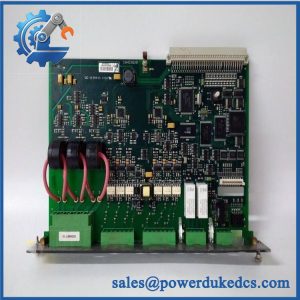
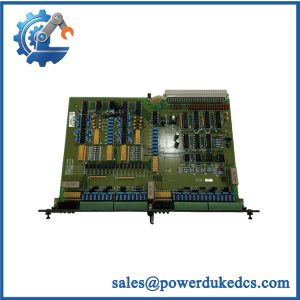
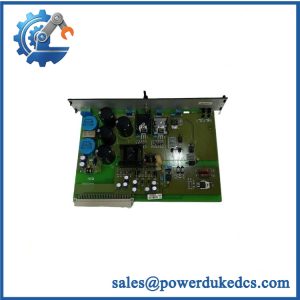
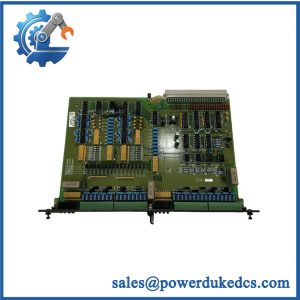
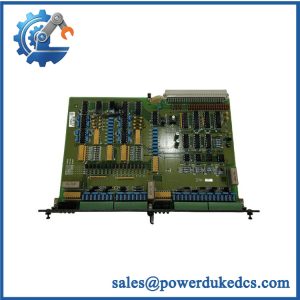
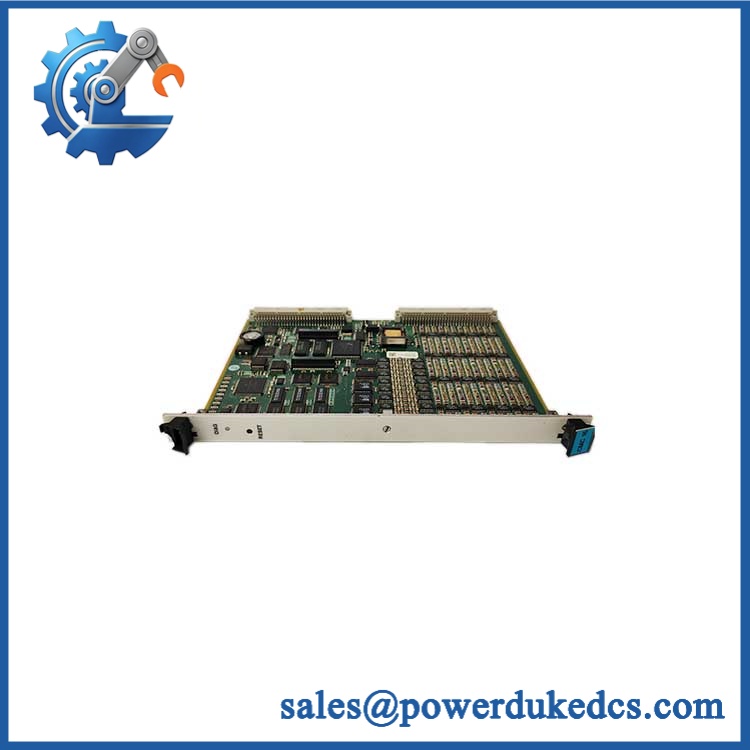
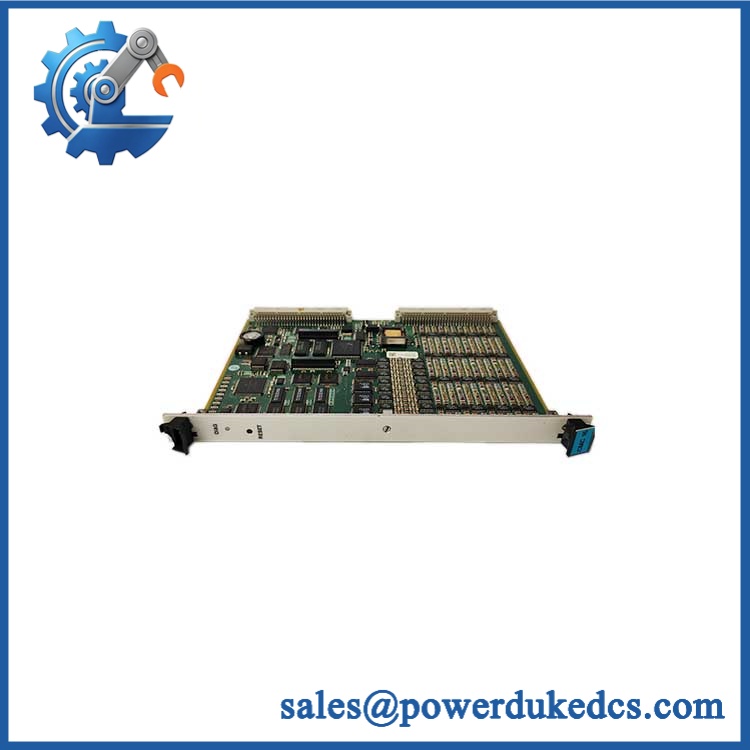
A failure in the DEIF CM-2 can affect generator control, module communications, and the operation of a Delomatic generator unit (DGU). This module serves as the main controller in the DELOMATIC system, running the application program stored in two FlashPROM devices and exchanging commands and information with other modules through the rack backplane. DEIF documentation identifies the Delomatic 3 system as no longer for sale. For maintenance teams, that lifecycle status raises the importance of confirming spare availability, application-program compatibility, and the exact communication configuration before an urgent replacement is purchased.
Replacing a failed CM-2 with a verified compatible unit may preserve the existing generator-control installation and avoid the immediate expense of a system migration. Total Cost of Ownership (TCO) should include the controller, shipping, engineering labor, commissioning, and downtime exposure. The replacement must also match the DGU’s control application and required interfaces. A visually identical controller with an incompatible program or communication configuration may not restore operation. For critical generator installations, maintain a documented spare strategy and evaluate a migration plan before support limitations or declining inventory affect plant availability.
Compatibility and Replacement Matrix
The CM-2 is a controller, not a generic communication or I/O module. Verify the installed system, program version, and optional communications hardware before approving a substitute.
|
Replacement Scenario |
Compatibility Assessment |
Required Action |
|---|---|---|
|
Identical DEIF CM-2 with matching application program and hardware configuration |
Candidate drop-in replacement |
Confirm program identity, hardware revision, backplane fit, and DGU configuration |
|
CM-2 with a different FlashPROM application program |
Software/application compatibility unconfirmed |
Verify the program against the target DGU and the installed module configuration |
|
CM-2 with a different serial communication option |
Not automatically interchangeable |
Confirm whether RS232, RS422, RS485, or no optional communication module is required |
|
CM-2 with different ARC-network address settings |
Reconfiguration may be required |
Verify the protocol, node ID, and switch positions against the system configuration |
|
Different DEIF controller model proposed as a substitute |
Not an established drop-in replacement |
Obtain manufacturer-approved compatibility guidance and a documented migration procedure |
|
Replacement requiring backplane, wiring, or rack modifications |
Hardware modification requires engineering approval |
Assess electrical and mechanical interfaces before approving the change |
Replacement Cost and Time Estimates
The figures below are preliminary planning allowances, not DEIF-approved service durations or supplier quotations.
|
Cost or Schedule Item |
Preliminary Planning Guidance |
|---|---|
|
Replacement CM-2 |
Price and inventory subject to supplier quotation |
|
Initial identification and compatibility review |
30–60 minutes |
|
Physical inspection and configuration checks |
30–60 minutes |
|
Like-for-like replacement labor |
Approximately 1–2 labor hours, subject to site conditions |
|
Functional verification and commissioning |
Allow 1–3 hours for planning; actual duration depends on the DGU and site test procedure |
|
Total maintenance window |
Approximately 2–5 hours for preliminary planning, excluding extended troubleshooting |
|
Full system migration |
Requires a separate engineering and project-cost assessment |
These estimates assume that a compatible spare is available and the relevant documentation is accessible. Shutdown authorization, engine-control tests, unexpected faults, and vessel or power-station operating restrictions can extend the maintenance window.
Field Traps to Check Before Ordering
FlashPROM application mismatch: The CM-2 executes the application program stored in two FlashPROM devices. Confirm the program identification required by the target DGU. Do not assume that any CM-2 carrying the same model designation will operate correctly with the existing configuration.
Communication variant and addressing: Verify the optional serial interface, where fitted, and the ARC-network address settings. DEIF documentation states that switch settings depend on the protocol and that the communication module must be powered down and restarted for DIP-switch and hexadecimal-switch changes to take effect. Record the original settings before removal.
Never assume energized replacement is permitted. Follow the applicable DEIF installation instructions and the site’s approved isolation and commissioning procedures.
DEIF CM-2
Quality Assurance and Testing SOP
The CM-2 requires identification, controller-level functional checks, and verification of communications with the configured DELOMATIC modules. Inspection should establish the condition of the specific unit offered rather than relying on generic statements about refurbished stock.
|
QA Stage |
Required Procedure |
Acceptance Criteria |
|---|---|---|
|
Part identification |
Record the DEIF CM-2 designation, serial or batch identifiers, hardware revision where present, and available traceability records |
Markings match the purchase specification |
|
OEM anti-counterfeit visual inspection |
Inspect labels, PCB markings where accessible, connector condition, components, soldering, and evidence of unauthorized repair |
No unexplained identity discrepancies or defects affecting installation |
|
Mechanical inspection |
Check the 6 TE mounting format, connector alignment, contact surfaces, and physical condition |
No damaged contacts, cracked housing, or contamination affecting operation |
|
Power-on self-test (POST) |
Power the controller through a compatible DELOMATIC rack or approved test arrangement |
Startup behavior recorded; supply obtained through the documented power architecture |
|
Status LED verification |
Check the green I/O OK and LAN OK indicators |
I/O OK reflects communication with the modules required by the application; LAN OK indicates ARC-network communication |
|
Application-program verification |
Record available FlashPROM program identification and confirm the intended DGU configuration |
Program identity and configuration accepted under the applicable service procedure |
|
Backplane communication test |
Verify communication with the modules specified by the application program at their assigned internal addresses |
No unexplained missing-module or communication faults |
|
ARC-network test |
Verify communication with the relevant network equipment using the applicable protocol and configuration |
Communication status agrees with the documented test criteria |
|
Optional serial-interface test |
Where fitted, verify the installed RS232, RS422, or RS485 interface using the correct test equipment |
Interface type and observed operation match the specified configuration |
|
Integrated control test |
Use an approved test setup to verify controller interaction with the required I/O and generator-control modules |
Expected responses observed without unresolved faults |
|
Final inspection and packing |
Photograph the actual unit, record test scope and results, and apply suitable ESD-protective packaging |
Shipment corresponds to the inspected unit and its test record |
Test Reporting Requirements
The DEIF CM-2 documentation identifies I/O OK and LAN OK as controller status indicators. The test report should record these indicators rather than assuming that generic ERR/RUN LEDs are fitted.
A power-on check does not establish complete functional performance. Likewise, verifying network communication alone does not prove that the stored application program is correct for the target DGU. Testing should cover the agreed scope, including application identity and communication with the required modules.
Where a complete DELOMATIC rack or compatible test setup is unavailable, document the limitation. Do not describe the controller as fully function-tested when only visual inspection or partial testing has been completed. Any extended monitored test should be supported by a test record.
Procurement and Lifecycle FAQ
Is the DEIF CM-2 genuinely in stock, and what is the emergency shipping cutoff?
Inventory must be confirmed for the actual CM-2 unit offered. Request written confirmation of quantity, condition, photographs, application-program identification where available, and expected dispatch time. Emergency shipping depends on order approval, payment clearance, export documentation, packing, and carrier collection.
How do you verify the condition and authenticity of an obsolete DEIF CM-2?
Request photographs of the actual controller, its identification label, connectors, and available internal markings. The quotation should distinguish new original, new surplus, and used equipment, as applicable. Ask for traceability records and a unit-specific inspection report. Functional-test coverage should be stated separately from visual inspection.
Are there application-program or communication compatibility issues to resolve before issuing the purchase order?
Yes. Confirm the application program stored in the FlashPROM devices, the target DGU configuration, and the required communication option. Determine whether the installation uses RS232, RS422, RS485, or no optional serial interface. Also verify the ARC-network address and protocol settings. Model-number matching alone is insufficient.
What warranty and return terms apply to the DEIF CM-2?
The written quotation should specify warranty duration, coverage, defective-on-arrival procedures, return authorization requirements, and exclusions. For surplus or previously used units, confirm whether coverage includes functional failure and what test evidence is required for a claim. Retain the identification photographs, inspection records, and shipping documents.
Is replacing the CM-2 more economical than upgrading the DELOMATIC system?
A like-for-like replacement may have a lower immediate cost when the existing installation remains suitable and the replacement is compatible. Compare the controller price, freight, labor, commissioning, and downtime risk against the engineering, hardware, software, installation, and validation costs of a migration. Since DEIF’s Delomatic 3 documentation marks the system as no longer for sale, include future spare availability and support arrangements in the lifecycle decision.