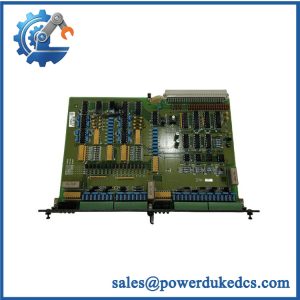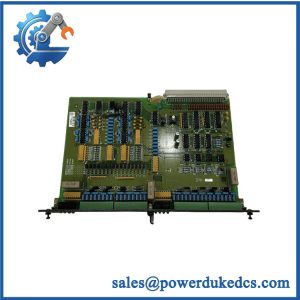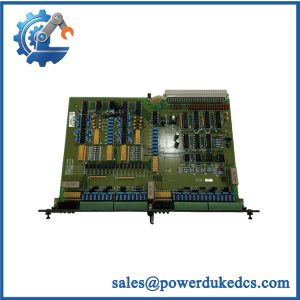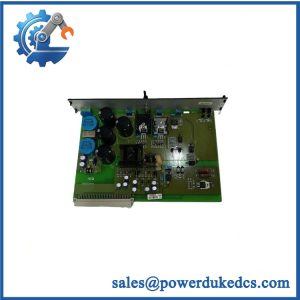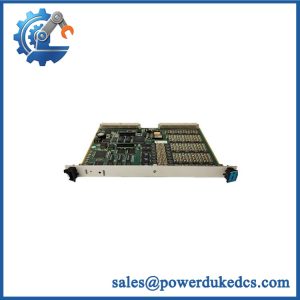
Description
-
Brand: DEIF
-
Model: DGU4
-
System Family: DELOMATIC-3
-
Product Type: Multifunction generator control unit and system assembly
-
Lifecycle Status: Obsolete for new sales; DEIF’s DELOMATIC-3 datasheet states “No longer for sale.” Current spare availability requires confirmation.
-
Core Function: Generator control, monitoring, protection, and coordination within the configured generator automation system
-
Top 3 Technical Specifications:
-
System auxiliary supply: 24 VDC, +30% / −25%, maximum 32 VDC
-
Voltage measurement range: Up to 690 VAC direct, with other ranges available through voltage transformers
-
Frequency measurement range: 40–70 Hz
-
-
Additional Electrical Data: Current transformer inputs specified for 1 A or 5 A secondary ratings; configuration verification required
-
Stock and Condition: Actual inventory, configuration, and condition subject to written confirmation
-
Compatibility: DELOMATIC-3 configuration, control application, installed modules, and panel arrangement must be verified
-
Dispatch Lead Time: Confirmed against the available unit, inspection requirements, and shipping arrangements
-
Warranty: Written terms required before purchase order approval
Technical note: The electrical figures above come from DELOMATIC-3 system documentation. They are not a complete, model-specific specification for every DGU4 assembly.
Obsolescence and Supply Chain Deep Dive
A failed generator controller can delay the restoration of essential power, particularly when the original equipment belongs to a discontinued platform. The DEIF DGU4 is associated with the DELOMATIC-3 generator automation system, which supports generator control, monitoring, protection, and coordinated operation. The actual configuration depends on the application and installed hardware modules. A DGU4 procurement request should therefore identify the required assembly, associated control panel, software or application version, and module configuration. Model identification alone may not establish the correct replacement.
For an existing installation, sourcing a verified DGU4 can avoid the immediate expenditure associated with a complete control-system migration. Total Cost of Ownership (TCO) should include the spare assembly, freight, qualified engineering labor, commissioning, and downtime exposure. A like-for-like replacement is most economical when the existing configuration remains suitable and the replacement can be validated against the original application. However, the discontinued DELOMATIC-3 platform carries longer-term spare availability and support risks. Establish an inventory plan for critical assemblies and assess migration requirements before a controller failure forces an unplanned project (lead times for legacy equipment can vary considerably with configuration and available stock).
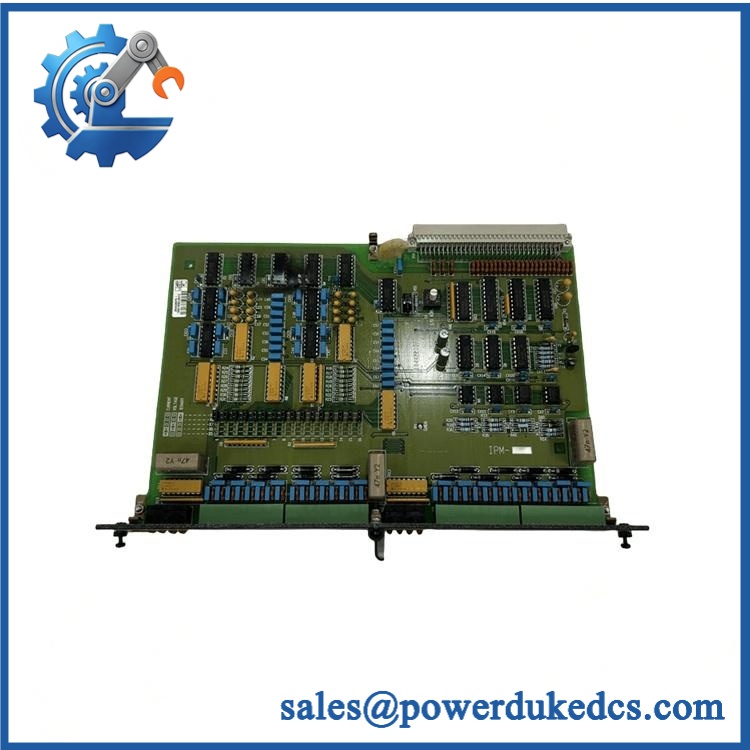
DEIF DGU4 DELOMATIC-3
Compatibility and Replacement Matrix
The DGU4 should be evaluated as part of the system, not as a generic standalone generator controller. Before approving a replacement, establish whether the supplied item includes the complete assembly or only selected control hardware.
|
Replacement Scenario |
Compatibility Assessment |
Required Action |
|---|---|---|
|
Identical assembly with matching configuration |
Candidate drop-in replacement |
Verify hardware, application program, control panel, and installed modules |
|
with a different application program or software revision |
Software compatibility requires verification |
Confirm program identification and approved configuration before installation |
|
assembly with a different I/O or measurement module arrangement |
Not automatically interchangeable |
Match signal assignments, measurement interfaces, and control functions |
|
replaced by a DELOMATIC-4 or DM-4 system |
Not a confirmed drop-in replacement |
Prepare an engineering migration plan, including wiring, software, and functional validation |
|
Replacement requiring changes to panel wiring or hardware |
Hardware modification may be required |
Review drawings, interfaces, and applicable technical requirements before implementation |
Replacement Cost and Time Estimates
The figures below are preliminary maintenance-planning estimates, not DEIF-approved service durations or supplier quotations.
|
Activity |
Preliminary Planning Allowance |
|---|---|
|
Part identification and configuration review |
1–2 labor hours |
|
Physical inspection and documentation checks |
1–2 labor hours |
|
Like-for-like installation |
2–4 labor hours |
|
Functional testing and commissioning |
2–6 labor hours |
|
Replacement hardware and freight |
Supplier quotation required |
|
Total planned maintenance window |
Approximately 4–12 hours, subject to system complexity and site conditions |
These estimates assume that the replacement is available and the original configuration is documented. They exclude extended fault-finding, major wiring changes, engine or switchboard repairs, and a full system migration. Synchronization tests, load-sharing verification, and generator protection checks may require a longer approved maintenance window.
Field Traps to Check Before Ordering
Incomplete assembly: A designation may refer to the generator control unit or a configured system assembly. Confirm whether the quotation includes the rack, control panel, modules, interconnecting hardware, and any application-specific components required by the original installation.
Application and I/O mismatch: Two units with the same main designation may not be equivalent if their installed modules, signal assignments, or application programs differ. Request photographs of the actual equipment, configuration records, and program identification where available.
Electrical measurement mismatch: Confirm the voltage transformer ratios and current transformer secondary ratings used by the installation. The published measurement ranges do not replace verification of the actual system wiring and configuration.
Migration assumptions: Do not treat a newer DEIF controller as an automatic substitute. A different platform may require application conversion, parameter configuration, wiring changes, and additional commissioning work.
Quality Assurance and Testing SOP
A offered as a replacement should undergo documented identity, condition, and functional checks appropriate to the supplied configuration. Testing must distinguish between inspection of a single component and verification of a complete generator-control assembly.
|
QA Stage |
Required Procedure |
Acceptance Criteria |
|---|---|---|
|
Part identification |
Record the DEIF designation, serial or batch identifiers, available revisions, and assembly configuration |
Identification agrees with the purchase specification |
|
OEM anti-counterfeit visual inspection |
Examine labels, PCB markings where accessible, connectors, component condition, and signs of unauthorized rework |
No unexplained identification discrepancies or defects affecting use |
|
Mechanical inspection |
Inspect the housing, rack, connectors, mounting points, and control-panel interfaces as applicable |
No damage affecting installation or electrical connection |
|
Power-supply verification |
Confirm the specified supply requirements and inspect the unit using an approved test setup |
Supply remains within the documented limits; no abnormal behavior observed |
|
Power-on self-test (POST) |
Energize the unit using the appropriate configuration and record startup behavior |
Startup sequence agrees with the applicable technical documentation |
|
Status indicator inspection |
Record ERR/RUN indicators where fitted; document the actual labels and observed states |
Indications match the applicable manual and test procedure |
|
Measurement input testing |
Verify voltage and current measurement channels with suitable calibrated test equipment |
Measurements comply with the applicable configuration and acceptance limits |
|
I/O load testing |
Exercise configured digital and analog inputs and outputs using approved test equipment or simulators |
Required signal responses recorded; no unresolved faults |
|
Control function testing |
Verify configured generator-control functions in an approved test environment |
Expected responses confirmed for the agreed test scope |
|
Communication and coordination checks |
Test installed communication interfaces and relevant controller interactions |
Communication and control responses agree with the approved configuration |
|
Final inspection and packing |
Photograph the actual equipment, record test results, and apply appropriate ESD protection |
Shipped assembly matches the inspected item and its documentation |
Pre-Shipment Test Record
The inspection report should identify the tested assembly, its condition, the test equipment used where applicable, functions exercised, results, and any limitations.
A power-on test does not demonstrate that every generator-control function operates correctly. Likewise, testing individual I/O channels does not prove correct synchronization, load sharing, or protection behavior in the installed system. Full system acceptance requires the appropriate configuration, test environment, and qualified personnel.
Where a complete test environment is unavailable, disclose the limitation before shipment. Do not describe untested functions as verified.
Procurement and Lifecycle FAQ
Is the DEIF genuinely in stock, and what is the emergency shipping cutoff?
Physical inventory must be confirmed for the exact configuration offered. Request written confirmation of quantity, condition, included components, and expected dispatch time. Emergency shipment depends on order approval, payment clearance, packing requirements, export documentation, and carrier collection. No fixed dispatch cutoff should be assumed without confirmation.
How do you verify the condition and authenticity of an obsolete ?
Request photographs of the actual unit, identification labels, installed modules, and any associated control panel. The quotation should distinguish new original, new surplus, and used equipment, as applicable. Ask for available traceability records and a unit-specific inspection report. Functional testing should be stated separately from visual inspection.
Are there software or configuration compatibility issues before issuing the purchase order?
Yes. Confirm the control application, installed module arrangement, measurement interfaces, and associated panel configuration. Where available, request the original project or application identification and compare it against the offered assembly. A matching designation does not establish that the unit is configured for the same generator-control requirements.
What warranty and return terms apply to the DEIF ?
The written quotation should specify the warranty period, coverage conditions, defective-on-arrival procedure, return authorization requirements, and exclusions. For surplus or used equipment, confirm whether coverage includes functional failure and which test records are required for a claim. Retain the product photographs, inspection report, shipping records, and purchase documents.
Is replacing the more economical than upgrading the generator-control system?
A verified like-for-like replacement may offer a lower immediate cost when the existing installation remains suitable. Compare the assembly price, freight, labor, commissioning, and downtime risk against the engineering, hardware, application conversion, installation, and validation costs of a migration. Given the platform’s discontinued sales status, include future spare availability and support exposure in the lifecycle decision.