

Description
- Brand: HIMA
- Full Model Number: TM202-A00-B00-C00-D00-E00-G00
- System/Series Family: HIMA safety and industrial monitoring/control equipment — exact family requires nameplate verification
- One-Sentence Core Function: Configured TM202-series module listed for use in industrial safety/control system applications
- Top 3 Hardcore Specs: Exact A/B/C/D/E/G configuration; manufacturer-specific TM202 architecture; application-specific module function
- Stock Status: New Surplus / Fully Tested Refurbished — confirm exact physical condition before shipment
Module 3: Technical Product Introduction
A configuration-specific HIMA part number should never be treated as a generic controller simply because a reseller classifies it that way. The TM202-A00-B00-C00-D00-E00-G00 is repeatedly listed under HIMA inventory references, and one technical parts listing categorizes the exact number as a controller module. However, the available public evidence is inconsistent: the same full designation is also associated online with a ProvibTech TM202 vibration/shaft-displacement transmitter, indicating a serious risk of cross-brand part-number confusion.
That ambiguity matters during procurement. The A00-B00-C00-D00-E00-G00 suffix string is a configuration identifier, not enough information by itself to establish I/O count, signal type, supply voltage, firmware, or mechanical compatibility. One HIMA-oriented listing describes the unit as a coupling module used in safety instrumentation systems, while another industrial source simply places the exact part number within a HIMA controller-module list. Until the physical nameplate or HIMA documentation is matched, those conflicting descriptions should not be converted into hard technical specifications.
Module 4: Application Scenarios & Field Realities
- During a shutdown replacement in a HIMA-controlled safety cabinet, exact part-number matching is more important than a generic “TM202” search. The full suffix must agree with the failed unit because configuration-dependent modules can differ even when the base designation is identical.
- For brownfield maintenance teams, this part number should be cross-checked against the cabinet BOM, engineering drawing, and removed hardware before installation. Public listings currently identify the same designation inconsistently, so procurement from a photograph or shortened model number creates unnecessary replacement risk.
- Where the unit is being sourced as a safety-system spare, retain the original configuration evidence. A vendor description calling the unit a controller, coupling module, or another module type is not sufficient engineering documentation; the installed system architecture remains the controlling reference.
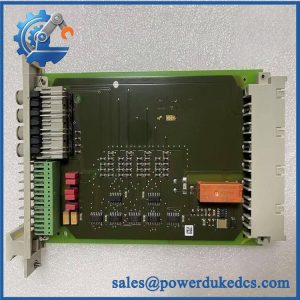
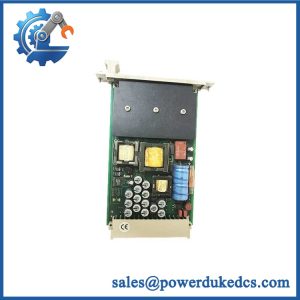
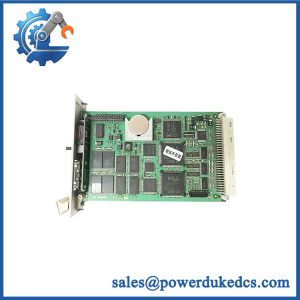
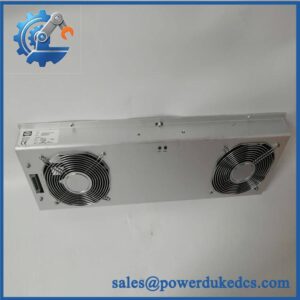
- For incoming surplus inventory, photograph the complete label before booking the item into stock. This is particularly important here because the identical model string appears in public records associated with a different manufacturer and a vibration-transmitter application.
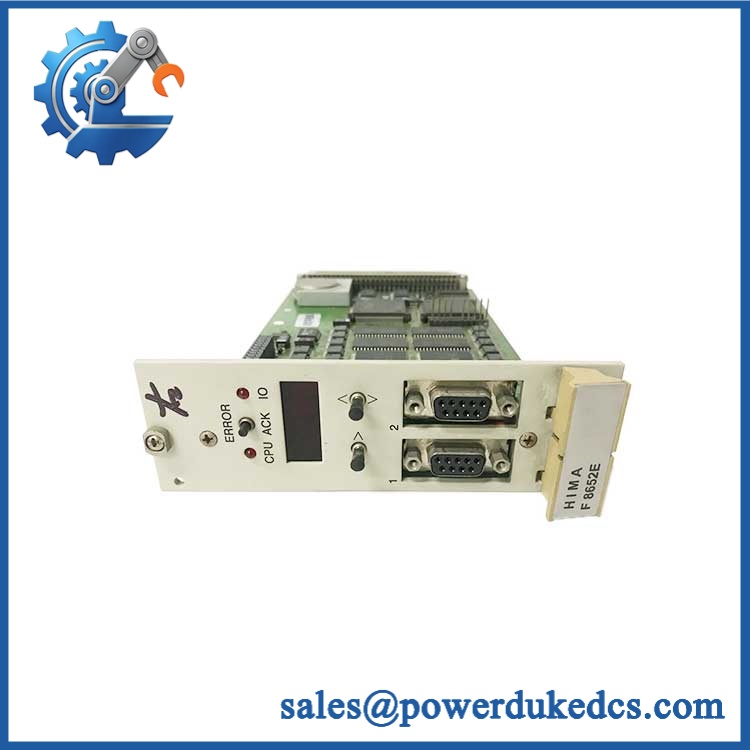
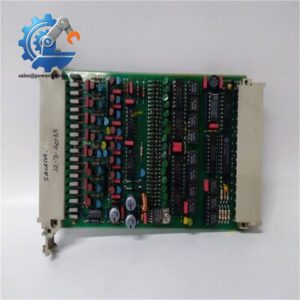
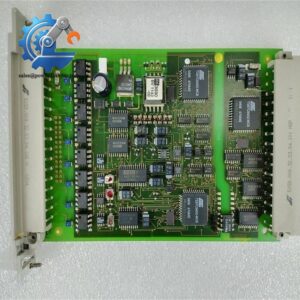
HIMA TM202-A00-B00-C00-D00-E00-G00
Module 5: Migration, Compatibility & Installation Traps
Replacement Matrix
| Replacement Type | Assessment |
|---|---|
| Drop-in Replacement | Conditional only — acceptable only after the physical unit, exact configuration code, electrical interface, and system documentation are confirmed |
| Software Compatible | Unknown from reliable public documentation — firmware/application compatibility must be verified against the installed HIMA system |
| Hardware Modification Required | Unknown — do not assume interchangeability from the base designation alone |
⚠️ Field Traps — Watch Out
1. Cross-brand model-number collision.
This is the primary procurement trap. The exact -A00-B00-C00-D00-E00-G00 designation appears in some sources as a HIMA controller/coupling module, while other sources identify it as a ProvibTech shaft-displacement or vibration transmitter. Those are completely different applications.
2. Never substitute by base model alone.
The A00/B00/C00/D00/E00/G00 configuration must match the removed unit. Verify the complete label, connector arrangement, cabinet drawing, and host-system BOM before connecting power.
3. Do not trust an isolated marketplace specification.
One listing supplies generic values such as 220 V and 110 Hz for the HIMA-labelled item, but those figures are not sufficiently corroborated to be treated as authoritative engineering specifications.
Module 6: Quality Assurance SOP
Because the public technical evidence for this exact part number is contradictory, incoming inspection should place unusual emphasis on identity verification:
- OEM anti-counterfeit visual inspection — inspect the HIMA nameplate, logo, model marking, serial information, enclosure, connectors, and manufacturing labels.
- Exact part-number verification — confirm the complete -A00-B00-C00-D00-E00-G00 string character by character.
- Configuration-photo record — photograph all labels, DIP switches, jumpers, connector positions, and visible configuration markings.
- Physical construction inspection — compare connector geometry, housing dimensions, mounting arrangement, and terminal identification with the removed unit.
- Nameplate cross-check — verify manufacturer attribution independently. This is essential because the identical designation is publicly associated with ProvibTech equipment as well as HIMA-labelled inventory.
- Power-on self-test (POST) — perform only with the correct documented supply conditions and compatible test fixture; record all startup/fault indications.
- I/O or functional verification — validate the actual module function against the relevant HIMA system documentation rather than relying on a generic seller description.
- Communication handshake verification — perform this only when the confirmed HIMA application requires a digital interface; document successful communication with the compatible host system.
- Configuration comparison — verify firmware, hardware revision, jumper/DIP settings, and stored configuration where applicable.
- Final QC and packaging — record test results, serial/part-number photographs, inspection status, and protective packaging before release.
Procurement warning: For this specific model, the safest technical practice is to treat the part as configuration-unverified until the physical nameplate and HIMA system documentation are matched. Public search evidence does not support assigning a definitive electrical specification set to this exact HIMA-labelled configuration.


 Start Chat