

Description
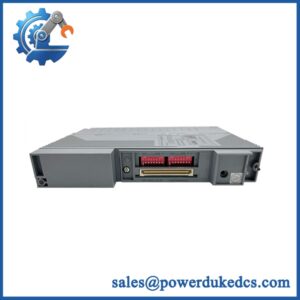
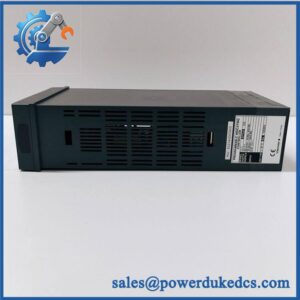
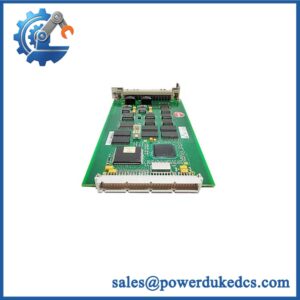
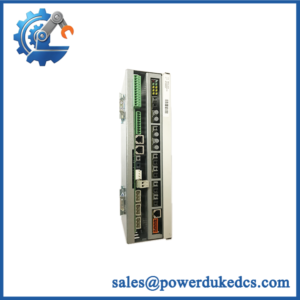
Unboxing & Physical Snapshot
- Model & Brand: Yokogawa FU20-10-T1-NPT/FPS
- Product family: Yokogawa FU20 series pH/ORP sensor.
- Sensor type: Combination pH/ORP sensor for industrial process measurement.
- Cable: 10 m integral cable indicated by the
-10configuration. - Process connection: 1-inch NPT configuration indicated by the
NPTdesignation; verify the actual threaded fitting before installation. - FPS: Verify the exact meaning of the
FPSsuffix against the OEM configuration documentation before assigning a detailed wetted-material or mounting specification. - Physical dimensions: Verify the exact sensor drawing; do not substitute dimensions from another FU20 variant because process connection and cable configurations can change the installation envelope.
- Estimated shipping weight: Approximately 1–2 kg packed is a practical freight allowance; weigh the actual sensor and packaging for commercial documentation.
- What’s in the box: FU20 sensor with integral cable; process fitting/protective components and documentation only if included with the specific inventory lot.
- Critical receiving check: Inspect the glass electrode, reference junction, body, cable jacket, connector/termination, and process-thread area immediately after unpacking.
Product Introduction
Environmental hook: The FU20 is designed for continuous industrial pH/ORP measurement, where the electrode assembly is exposed directly to process conditions and must remain chemically and mechanically intact. The wetted sensing components therefore deserve the same preservation attention as the electrical transmitter interface.
The FU20-10-T1-NPT/FPS configuration should not be treated as a generic pH probe. Cable length, process connection, sensing configuration, and reference system affect physical interchangeability. A replacement that fits the pipe but has a different electrode or reference configuration can produce an apparently plausible signal while giving incorrect process measurements.
Core Technical Specifications
| Parameter | Value |
|---|---|
| Manufacturer | Yokogawa Electric Corporation |
| Product Family | FU20 |
| Model | -10-T1-NPT/FPS |
| Equipment Type | Industrial pH/ORP sensor |
| Cable Length | 10 m |
| Process Connection | 1-inch NPT configuration — verify exact variant |
| Measurement | pH / ORP, depending on transmitter configuration |
| Sensor Construction | Combination process electrode — verify exact materials |
| Reference System | Verify exact configuration |
| Temperature Measurement | Verify exact sensor configuration |
| Wetted Materials | Verify OEM specification |
| Operating Temperature | Verify process-specific rating |
| Process Pressure | Verify process-specific rating |
| pH Range | Verify OEM specification |
| ORP Range | Verify OEM specification |
| Cable Type | Integral sensor cable |
| Shipping Weight | Weigh actual packed assembly |
| Storage Requirements | Preserve electrode according to OEM procedure |
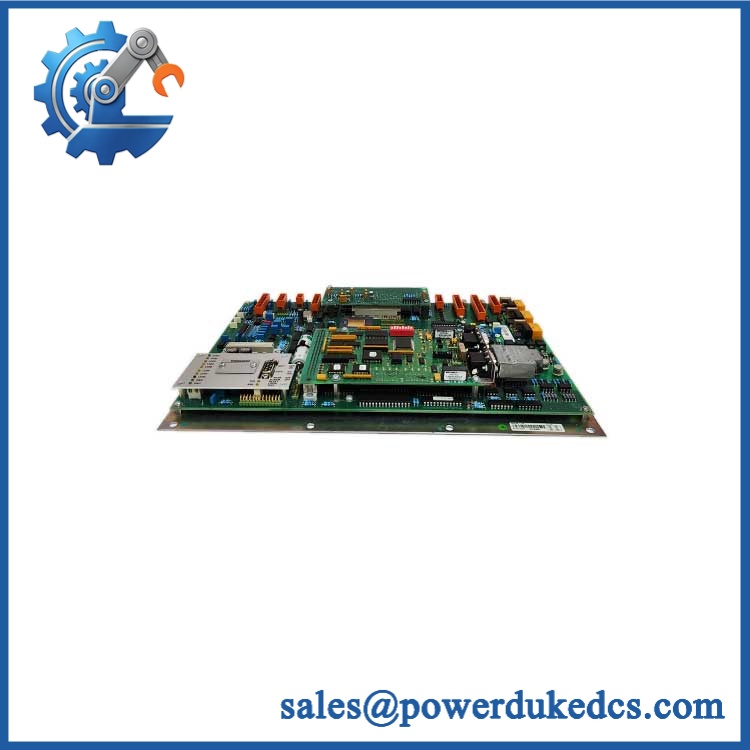
Yokogawa FU20-10-T1-NPT/FPS
Important: A pH electrode is a consumable sensing element. Do not use a generic shelf-life assumption for an inventory database; record the manufacturing/date code and storage condition of the actual sensor.
? Global Compliance & Industry Certifications
Potential compliance documentation for the depends on the exact configuration and application.
- CE Mark: Verify the applicable Yokogawa declaration for the configuration.
- UL/cUL: Verify whether the specific assembly carries applicable North American certification.
- ATEX / IECEx: This should not be assumed from the designation. Hazardous-area suitability depends on the exact certified configuration and the associated transmitter/barrier arrangement.
- Marine approvals: DNV or other marine classification should only be claimed when explicitly documented for the exact sensor configuration.
- Material/process compatibility: For chemical and pharmaceutical applications, confirm wetted-material compatibility and any required sanitary or process certification separately.
For hazardous-area installations, the sensor cannot be evaluated in isolation. The sensor, cable, transmitter, barriers, grounding, and installation method must satisfy the applicable hazardous-location requirements.
Verify specific lot certifications with OEM.
? Long-Term Storage & Asset Preservation Guide
- Do not store the sensing element dry unless Yokogawa specifically permits it. pH glass electrodes and reference systems can degrade when improperly stored. Follow the OEM-prescribed storage solution and keep the sensing portion protected from evaporation and contamination.
- Protect the glass bulb and reference junction. Keep the protective cap installed and prevent impacts, scratches, or deposits on the sensing surface. The glass membrane is fragile even when the outer body appears undamaged.
- Protect the 10 m cable. Coil it with a generous bend radius and avoid sharp folds, compression, or heavy objects placed over the cable. Inspect the jacket and termination for cracks before installation.
This is one of the cases where shelf-life matters more than enclosure appearance. A sensor can look new after years in a warehouse and still require conditioning or replacement because the reference system has deteriorated.
Physical Installation Prerequisites
- Verify the 1-inch NPT process connection against the vessel, pipe fitting, or sensor holder before installation.
- Confirm insertion depth and electrode orientation from the process mechanical drawing.
- Do not allow the sensing tip to contact the vessel wall, agitator, pipe bottom, or other metallic structures.
- Provide sufficient cable routing space for the 10 m integral cable without exceeding its permissible bend radius.
- Keep the sensor cable away from high-current motor cables and other major electrical-noise sources.
- Confirm grounding, shielding, and transmitter input requirements before connection.
- Use a compatible sealing method for the NPT process connection; do not contaminate the electrode or reference junction with thread-sealing material.
- Before putting the sensor into service, inspect and condition the electrode according to the applicable Yokogawa procedure, then perform the required calibration.
Buyer’s FAQ
Q: What HS Tariff Code should be used for -10-T1-NPT/FPS?
A: Classification depends on the sensor’s confirmed function and the tariff schedule of the importing country. Treat it as an industrial electrochemical measurement sensor rather than assuming a generic electrical-instrument classification; obtain the technical description supporting the final customs code.
Q: How should Country of Origin be documented?
A: Use the actual manufacturing origin supported by the sensor label, OEM documentation, or supplier declaration. The Yokogawa brand and shipping location do not establish COO.
Q: Does shipping insurance make sense for a pH sensor?
A: Yes when the sensor is expensive, project-critical, or difficult to replace. The main transport risks are mechanical damage to the glass electrode, cable damage, and exposure to unsuitable temperatures or storage conditions. Use a rigid protective package and immobilize the sensing end.
Q: Does -10-T1-NPT/FPS contain firmware?
A: No user firmware should be expected in the passive sensor itself. Configuration and calibration reside primarily in the associated measurement transmitter/system. The replacement record should instead capture the sensor model, configuration suffix, date code, cable length, process connection, and calibration status.



 Start Chat