

Description
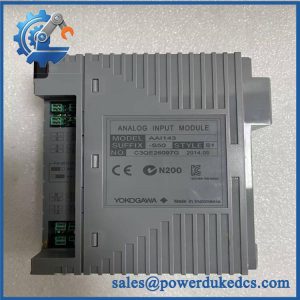
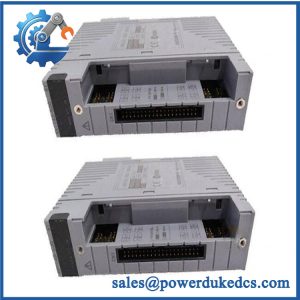
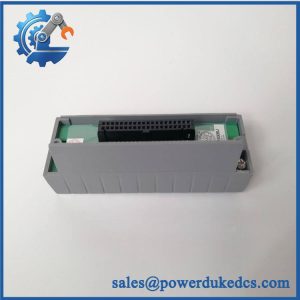
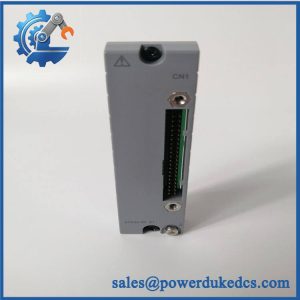
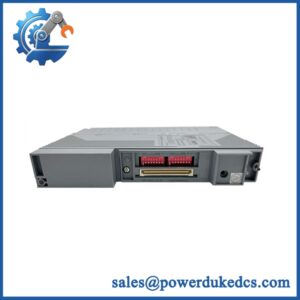
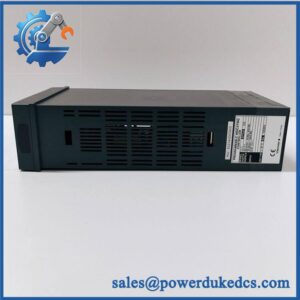
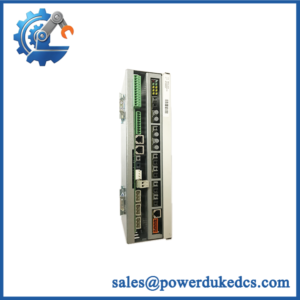
Unboxing & Physical Snapshot
- Model & Brand: Yokogawa Electric YS1700 — panel-mount programmable indicating controller for industrial process applications.
- Physical Dimensions: Approximately 96 × 96 × 100 mm (W × H × D) for the standard 1/4-DIN housing; verify the exact suffix and terminal arrangement before panel fabrication.
- Estimated Shipping Weight: Approximately 0.7–1.0 kg gross with protective packaging; confirm actual packed weight for freight quotation.
- Panel Cutout: Approximately 92 × 92 mm for the standard 1/4-DIN mounting format; confirm against the exact installation manual.
- What’s in the Box: YS1700 controller, panel mounting hardware, terminal/connection accessories where specified, and OEM documentation when supplied. Communication cables and application-specific accessories are not assumed included.
- Receiving Inspection: Record the complete model suffix, serial number, power-supply rating, option codes, terminal condition, display condition, and firmware/configuration information.
Product Introduction
Environmental Hook
The YS1700 is intended for continuous industrial process-control service, where panel temperature, electrical noise, vibration, and stable power quality directly affect long-term reliability. Its 1/4-DIN housing allows it to be integrated into conventional instrument panels without requiring a large controller chassis.
This is a configurable controller, not simply a display indicator. The installed input/output options, control strategy, communication interface, power-supply specification, and firmware must be matched to the application before replacement (a visually identical unit can have materially different option codes).
Core Technical Specifications
| Parameter | Value |
|---|---|
| Manufacturer | Yokogawa Electric Corporation |
| Model | YS1700 |
| Product Type | Programmable indicating controller |
| Controller Class | Industrial process controller |
| Panel Format | 1/4-DIN |
| Front Dimensions | Approximately 96 × 96 mm |
| Panel Cutout | Approximately 92 × 92 mm |
| Depth | Approximately 100 mm, excluding wiring/terminal clearance |
| Display | Digital process-value/status display |
| Control Functions | PID and programmable control functions |
| Input Type | Configuration-dependent; analog and contact inputs available by option |
| Output Type | Configuration-dependent |
| Communication | Option-dependent industrial communication interface |
| Power Supply | Model/suffix dependent; verify nameplate |
| Configuration | Front-panel operation and engineering configuration |
| Installation | Panel mount |
| Cooling | Natural convection |
| Weight | Approximately 0.7 kg class; verify exact revision |
| Firmware | Revision-dependent |
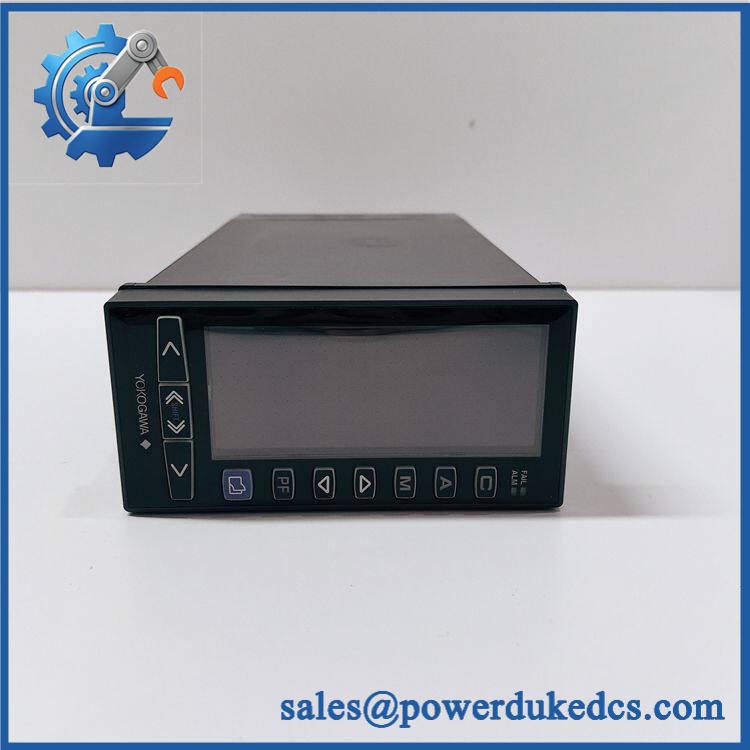
Yokogawa YS1700
Option-code control is critical. The base YS1700 designation does not identify every electrical option. Before purchasing a replacement, capture the complete model code from the nameplate and compare input, output, power-supply, and communication options.
Do not calculate cabinet heat load from the nominal instrument size. The actual power consumption depends on the installed option configuration and supply type.
? Global Compliance & Industry Certifications
- CE Mark: Applicable YS1700 versions may carry CE conformity for relevant European requirements. Verify the exact product declaration for the installed hardware and option configuration.
- UL/cUL: Do not assume UL/cUL approval without certification evidence for the exact version.
- ATEX/IECEx: The standard should not be classified as hazardous-area equipment without an exact certificate covering the particular model and installation.
- Marine Approvals: DNV, ABS, or Lloyd’s Register approval should be verified separately if the controller is intended for marine or offshore service.
- EMC: Panel wiring, protective grounding, signal shielding, and separation from high-energy switching equipment remain important to EMC performance.
- Safety Relevance: CE conformity of the controller does not make the complete process installation safety-rated. Interlocks, shutdown systems, and emergency functions must be engineered separately.
- Audit Record: Keep the nameplate photograph, serial number, complete model suffix, declaration of conformity, and applicable certification records with the asset.
Verify specific lot certifications with OEM.
? Long-Term Storage & Asset Preservation Guide
- Keep the controller in its original ESD-protective packaging. Even though the front panel is enclosed, rear terminals and internal electronics remain susceptible to ESD and contamination during warehouse handling.
- Maintain stable environmental conditions. A clean storage environment below approximately 60% RH is preferable. Avoid condensation caused by moving the controller between air-conditioned storage and hot, humid outdoor conditions.
- Protect the rear terminal assembly. Keep terminal covers, protective caps, or original packing inserts in place. Bent terminals or contaminated contacts can turn an otherwise good spare into an installation problem.
- Preserve the configuration record. Store the complete model code, input/output option information, communication settings, firmware revision, and application configuration with the asset. A replacement controller without the correct control parameters may require substantial commissioning work.
Physical Installation Prerequisites
- Mounting: The uses panel mounting rather than DIN-rail mounting. Verify the exact panel cutout and mounting bracket arrangement from the applicable installation manual.
- Panel Clearance: Maintain sufficient rear clearance for terminal wiring, ventilation, and service access. Do not place high-temperature power components immediately behind the controller.
- Cooling: Natural convection is normally used for panel instrumentation. Do not obstruct ventilation openings or create a sealed pocket around the rear housing.
- Grounding: Connect the instrument’s protective earth/ground as specified by Yokogawa. Signal shields should be terminated according to the project EMC design.
- Signal Separation: Keep low-level analog/process signals away from contactors, motor cables, variable-frequency drives, and other high-noise wiring.
- Power: Confirm the exact supply specification from the nameplate before energizing. Do not assume every uses the same supply voltage.
- Wiring: Verify polarity and terminal assignments against the complete model code. Option-dependent terminals can differ materially between configurations.
- Commissioning: Confirm input scaling, control mode, PID parameters, alarm limits, output action, communication settings, and any programmed logic before returning the process loop to service.
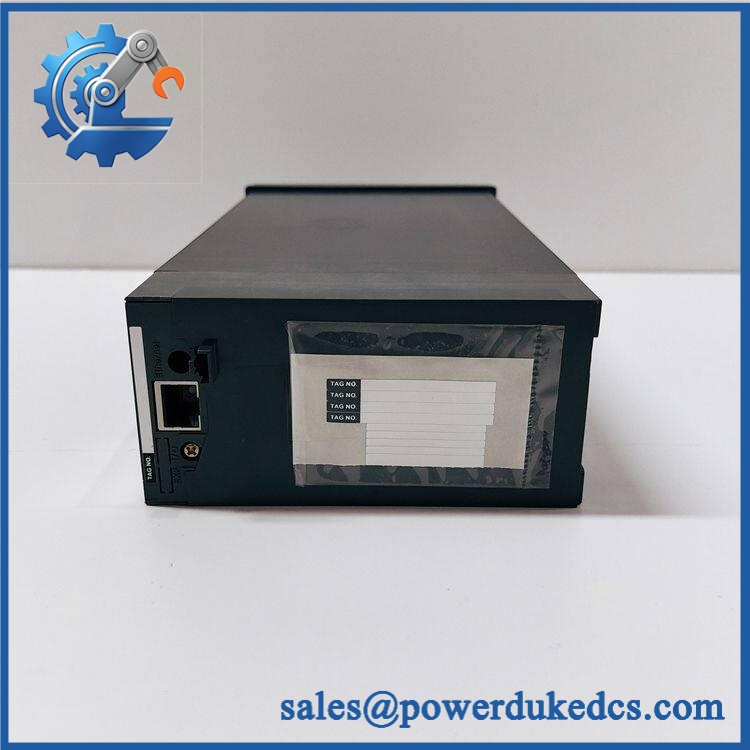
Yokogawa YS1700
Buyer’s FAQ
Q1. What HS tariff code should be used for the ?
Do not assign a tariff code from the model number alone. The is an industrial programmable process controller, and classification depends on its precise function and the importing country’s tariff schedule.
Have the customs broker confirm the final HS classification before the commercial invoice is issued. Use a technically accurate description such as industrial process controller rather than a generic “electronic instrument.”
Q2. Does Country of Origin affect customs treatment?
Yes. COO can affect duty rates, preferential tariff eligibility, origin declarations, and trade-compliance screening.
Yokogawa is a Japanese manufacturer, but manufacturer nationality is not proof of manufacturing COO. Confirm origin from the physical nameplate, OEM documentation, or supplier Certificate of Origin before making an origin declaration.
Q3. Should shipping insurance be purchased?
For a controller used in a critical process loop, insurance is reasonable when the replacement cost or downtime exposure is significant. The instrument is relatively compact, so packaging damage to the front display, rear terminals, or enclosure can be more important than freight weight.
Photograph the display, model label, serial number, terminal area, and packaging before dispatch.
Q4. Does a new include the latest firmware and application settings?
Do not assume it does. Firmware revision, control parameters, I/O options, and application configuration are separate asset-control items.
Before commissioning a replacement, compare the complete model code and hardware revision with the failed controller, then load and verify the approved configuration. Record the resulting firmware/configuration state in the maintenance history.
Asset-control note: Do not inventory this item simply as The complete suffix and option code should be retained because input/output, communication, and power-supply configurations can determine whether a unit is actually interchangeable with the installed controller.


 Start Chat